
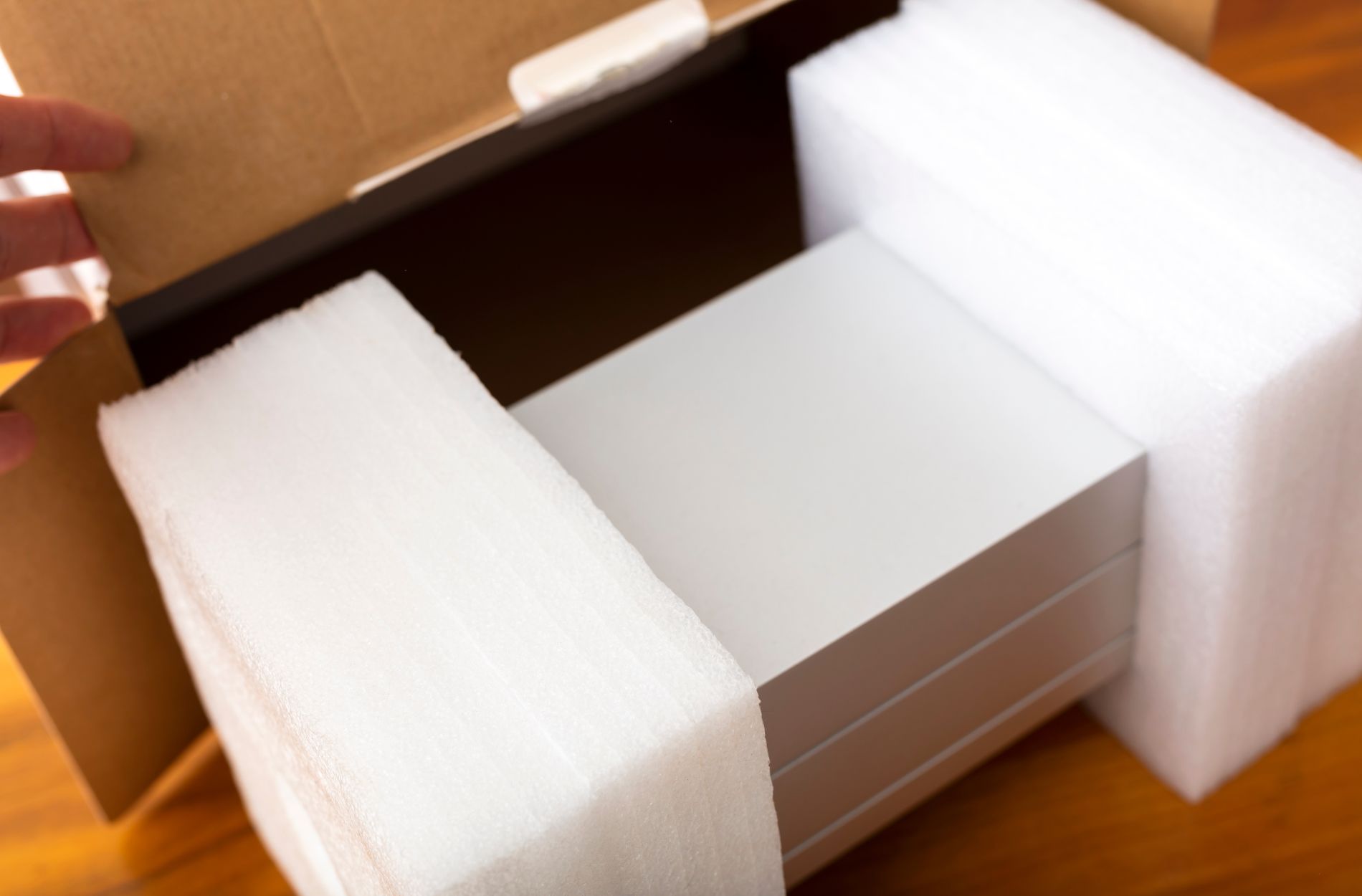
Foam packaging plays a big role in keeping products safe from damage, but not all foam is the same. The actual density of the foam used makes a difference in how well it protects against impacts during shipping, handling, and storage. Whether you’re packing up sensitive electronics or heavy-duty mechanical parts, picking the wrong foam density could lead to broken parts, returns, or even production delays.
This is especially true during busy shipping seasons in Rochester, NY, where winter weather can make transportation conditions even more unpredictable. When trucks are bouncing over icy routes or packages are being moved quickly through cold warehouses, impact risk goes up. That’s where understanding foam density becomes really useful. Knowing what type of foam suits your product can help keep things on track and damage free.
Understanding Foam Density
Foam density refers to how much material is packed into a specific volume of foam. It’s measured in pounds per cubic foot (PCF), and the number tells you how firm or soft the foam feels. A higher density means the foam feels heavier and denser, offering more resistance when compressed. Lower densities feel softer and more cushion-like.
This isn’t just about how the foam feels when you press it. The density directly affects how well the foam absorbs shocks, resists compression over time, and fills in gaps to keep objects secure. Here are the general types of foam densities used in protective packaging:
– Low-density foams (1.0 – 1.8 PCF): These are softer and more flexible. They work well for lightweight or delicate items that need some cushioning but not heavy-duty protection. Examples include small electronics or consumer products.
– Medium-density foams (2.0 – 3.0 PCF): These are more balanced. They absorb more impact and are usually used for products that are fragile but have a bit more weight, like instruments or calibrated tools.
– High-density foams (4.0 PCF and above): These offer strong impact resistance and don’t compress easily. They’re used for heavier, more valuable items like automotive or aerospace components.
Keep in mind, more density doesn’t automatically mean better protection. It just means the foam responds differently under pressure. Picking the right density depends on what’s being packed and how it’s going to be transported.
Factors To Consider When Choosing Foam Density
Finding the right foam density isn’t just about material specs. It’s about making choices based on the product you’re protecting and the kind of journey it’s expected to take. Here are a few things to think through:
1. Product Weight and Breakability
A heavier product places more stress on its packaging. If the foam isn’t dense enough, it could compress under the load and fail to protect the item inside. On the flip side, something light and fragile might need a softer foam that cushions rather than crushes it. A fragile glass gauge, for example, might benefit more from a less dense foam that gently absorbs shocks than a very firm one that transfers vibration through.
2. Shipping Distance and Handling Type
The longer a product is in transit, the more it’s exposed to movement, drops, and stacking. Long-distance or multi-leg shipments make it more likely that items will be subject to rough handling. Higher-density foam performs better under those conditions where continuous pressure and impact are expected.
3. Temperature and Moisture Exposure
Winters in Rochester get cold, which can affect how foam behaves. Some foam types become stiffer in the cold, reducing their shock absorption. Meanwhile, high humidity or moisture can weaken certain foam materials. Choosing foam with good resistance to environmental changes is useful, especially if storage warehouses lack consistent climate control.
All these factors help decide whether you need something like soft protective corners or thick, high-density blocks to handle bottom weight. There’s no one-size-fits-all answer, which is why each packaging project benefits from reviewing all the usage details before settling on a specific foam density.
Benefits Of Using A Custom Polyethylene Foam Pack
A custom polyethylene foam pack works well when you need something that fits your product exactly and holds up under stress. Unlike off-the-shelf foam padding, custom solutions are molded or cut to match the shape, size, and weight of each product. This helps distribute pressure and absorb sudden impact more evenly across the surface.
Polyethylene foam has a closed-cell structure, which makes it strong yet lightweight. It resists water, mold, and chemicals better than many other types of packaging foam. That’s helpful during cold months in Rochester when snow and moisture can sneak into loading docks or trucks. This material doesn’t soak up water like a sponge, so your product stays dry and protected.
Here are a few other upsides when using a custom polyethylene foam pack:
– Limits movement inside the box, lowering the risk of breakage
– Holds its shape under repeated pressure, offering long-term protection
– Can be reused for recurring shipments, making it a thoughtful choice for reducing waste
– Works well for both light and heavy objects when paired with the right density
Because the foam is shaped to your item, it also makes for faster packing and fewer packing materials overall. So when you’re moving anything from compact gadgets to oddly shaped machine parts, this kind of foam makes the process smoother and safer.
Applications Of Different Foam Densities Across Industries
Different industries use foam for different reasons, but all rely on the right density to protect what matters most to them. You wouldn’t pack a delicate medical device the same way you’d secure a rugged car transmission. Each product sits in its own world of requirements, and foam has to live up to those demands.
Medium to high-density foam, for example, is often used in automotive or aerospace packaging, where parts are generally heavy, expensive, or both. These foams can hold their structure under pressure, even if parts are stacked or face compression during international freight shipping.
Meanwhile, electronics and consumer-grade tech are lighter and may need low to medium-density solutions. These products are sensitive to vibration rather than pure weight. Soft cushioning helps reduce surface-level damage and shock while keeping the product in place.
Industries such as:
– Automotive: high-density foam for engines, brake systems, and torque components
– Medical: medium-density foam for diagnostic devices or lab instruments
– Electronics: low-density foam for handheld devices, circuit boards, or monitors
– Aerospace: a mix, depending on whether the item is structural, mechanical, or electronic
Sometimes, a single package may even use multiple foam densities layered together to meet varied protection needs within one case. This layered approach adds flexibility without over-padding.
Making The Right Choice For Your Business
Getting the foam density right sometimes feels like a guessing game, especially when you’re dealing with new products, uncertain shipping routes, or shifting storage needs. But it doesn’t have to be. Once you understand how your product behaves under load and what it might go through in handling, the right foam options start to make more sense.
Ask questions like: Will this be stacked? Will it face cold or moisture? Does it need vibration absorption more than rigid support? All of that shapes the design and foam density you’ll probably need. Even changes like a switch from air to ground freight can influence what might work best.
If you’re planning to ship out of the Rochester area during the winter months, make sure the foam you choose responds well to lower temperatures and crushing loads. Climate matters. And nobody wants to open up a crate in January only to find a cracked sensor or a shattered gauge.
Ready to Secure Your Products with Reliable Foam Packaging?
Impact protection isn’t just about slapping some padding in a box and calling it a day. Great packaging starts with knowing what kind of foam matches the weight, shape, and way your product will travel.
A custom polyethylene foam pack, matched with the right density, can protect long-term value and reduce shipping damage. Whether you’re dealing with small batches or large-scale shipment cycles, choosing wisely makes all the difference. When you connect the right density to the right product, you don’t just lower shipping problems, you raise the level of trust your customers have in your shipment arriving the way it should.
Ensure your products are secured and well-protected during transit with a custom polyethylene foam pack. At Orcon Industries, we specialize in tailoring foam solutions that meet the unique demands of every shipment. With our custom polyethylene foam, you can reduce damage, improve packaging efficiency, and enhance overall cost-effectiveness. Experience peace of mind knowing your products are in the best hands, from packing to delivery.