
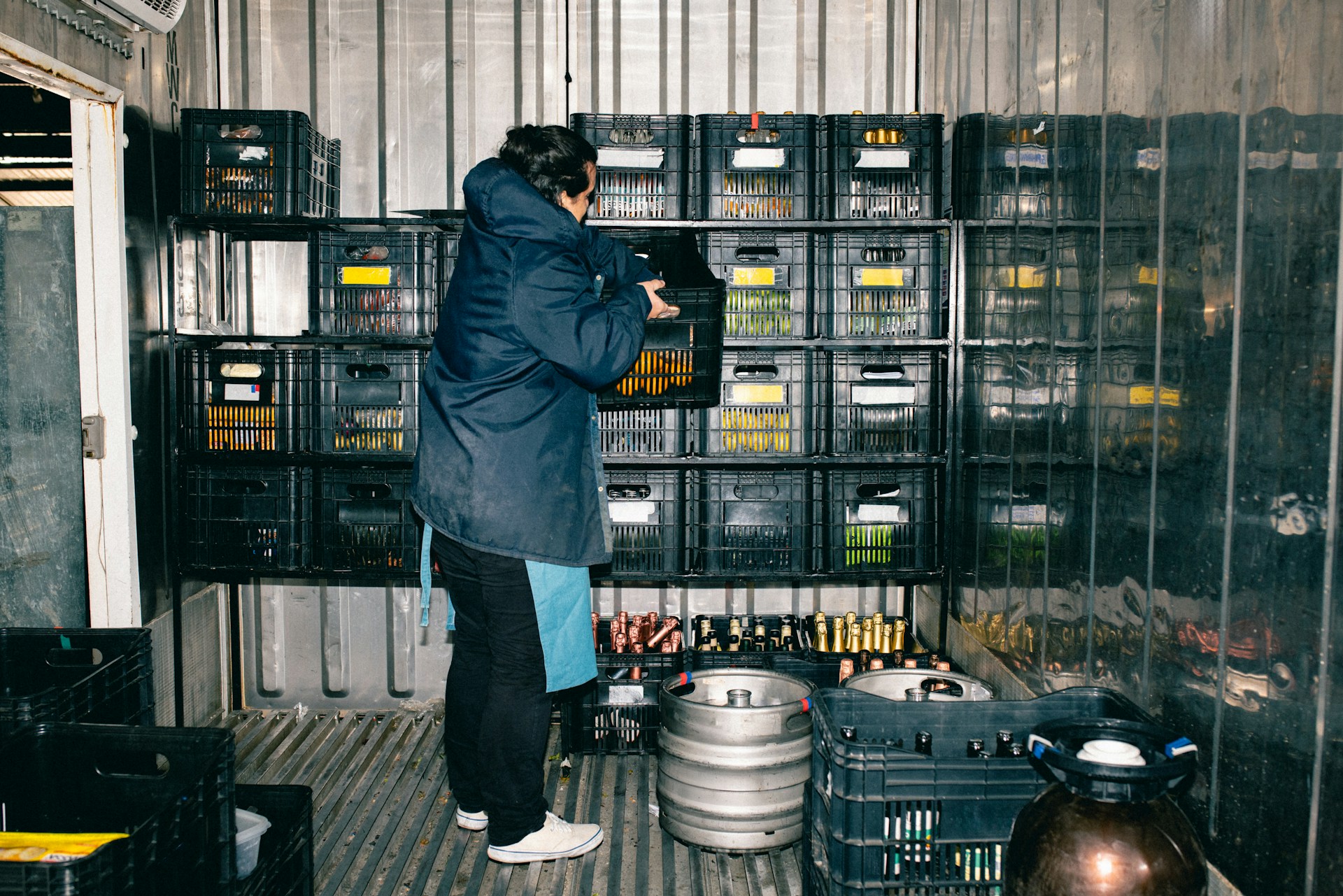
When you’re working with cold storage, reliable refrigeration is just one part of the process. The way products are packaged matters just as much. Cold temperatures bring stress that not all materials can handle, especially when goods need to be stored or moved through different zones.
Industrial packaging has to hold up in chilled or frozen conditions without losing its structure or protective ability. Whether it’s used in medical, food, or manufacturing settings, it plays a key role in keeping things stable and damage-free. We’ve seen firsthand how different packaging types perform when Rochester, NY, hits its winter peak, and not all of them stand up to the cold as well as others.
Understanding Cold Storage Conditions
Cold storage facilities usually stay under 40°F, and many operate much colder than that. Freezers, deep chill areas, and low-temp warehouses can put a real strain on packaging. Temperature is just the start.
• Humidity levels in cold storage can cause condensation to form, especially when goods transition between areas like a loading dock and a freezer room. Moisture can slip between seams, soften surfaces, or freeze along corners.
• Changes from cold to warm can boost condensation inside containers, which could lead to soggy liners or water damage if the package wasn’t built to stop it.
• Operators often use forklifts and stack heavy items high to save space. These practices increase pressure on packaging, and in cold environments, brittle materials are more likely to snap or give way.
Packaging needs to outlast all of these variables without caving in or letting contents be exposed. That starts with the right material.
How Different Packaging Materials React to Freezing Temps
Everything changes when temperatures drop, especially materials that were made to be lightweight or flexible. When it comes to industrial packaging, not all surfaces perform the same inside a freezer.
• Plastic can become stiff and brittle in the cold. A slight bend or strike that wouldn’t cause trouble at room temperature might split a cold plastic edge. Unless the material blend was created for extreme temps, there’s a good chance someone will find it cracked after a day or two in storage.
• Wood is strong and reliable, but it doesn’t like sudden shifts in moisture. If untreated, it can absorb water, swell, and then expand or warp, making lids hard to open or boxes tough to stack evenly.
• Foam that’s too soft may shrink in a frozen space. That leaves parts with less cushion or with shifted alignment, putting sensitive products at greater risk during movement.
All of this means that cold storage isn’t just a matter of stacking boxes in a freezer. The kind of material being used needs to be ready for the long haul.
Design Features That Improve Performance
Strong materials are part of the solution, but good packaging design picks up where the materials stop. In cold environments where shrink, freeze, or moisture buildup can happen, smart details really make the difference.
• Reinforced corners protect packages during forklift lifting or when boxes bump against each other in cold, tight spaces. Thin edges and weak glue seams tend to pop open in freezing temperatures.
• Wrapped or laminated outer layers help stop snow, frost, and warehouse moisture from forming a wet shell on the outside. This protects labels and locking points and makes stacking easier.
• Grips, flaps, and latches need to work with gloves. If a worker can’t get a handhold, they’ll tug harder, and that’s where breakage happens.
By focusing packaging design on the conditions found in cold storage, like low flexibility, higher impact force, and moisture, problems can be avoided before they ever show up.
Role of Industrial Packaging in Protecting Sensitive Goods
Some of the most sensitive products spend time in cold storage. From frozen food to lab samples to electronics, what’s inside the box is often fragile, perishable, or both. When packaging breaks down, the entire product can fail.
This is exactly where industrial packaging earns its place.
• Products that need to stay cool while moving through multiple zones rely heavily on packaging that maintains internal temperature. This helps prevent spoilage or performance issues by keeping cold in and warm out.
• Many packages need extra insulation for shock, making foam or molded linings just as important as the shell. These materials must be dense enough to hold shape but not so soft that they collapse under weight or cold.
• If condensation builds up and stays trapped, metal parts might rust, electronics can short, and containers may freeze shut. Features like vents or drain holes help avoid that buildup, while water-safe linings stop contents from sitting in puddles.
Good design makes the difference between contents that arrive ready to use and those that need to be thrown out on arrival.
Long-Term Durability and Reuse
Many cold storage facilities rely on reusable containers that rotate through freezers, shipping zones, and loading areas again and again. To survive that cycle, packaging has to be more than strong; it has to hold up over time.
• Reuse adds wear and stress to every surface. Drop points, bends, and joint weaknesses show up more clearly with each trip. In freezing conditions, even light impacts cause more damage.
• If a reusable container isn’t checked closely, cracks and gaps can form where the cold made the material brittle. One drop or bump could cause a tear that wasn’t there before.
• Labels and markings must be applied with ink and backing that won’t peel or smudge when exposed to cold temps or condensation. If expiration dates or handling info come off the container, the user may not realize the product has a short shelf life.
Longevity in cold environments means planning ahead, both for rough handling and for the changes that come with freezing temperatures.
Built to Withstand the Cold
Cold storage comes with its own challenges, especially in places like Rochester, NY, where deep freezes are part of the season. Not all packaging will hold up under those conditions. That’s why material choice, structure, and details make such a difference when it comes to long-term use in frozen spaces.
Industrial packaging that’s built to perform in freezing temperatures helps cut down product loss, loading errors, and moisture issues. When the right materials and designs come together, what’s inside stays dry, protected, and ready, no matter how cold it gets.
Industrial Packaging Solutions for Rochester, NY Facilities
Orcon Industries offers custom packaging built with your product and environment in mind, including options like heavy-duty corrugated, foam, and reusable designs for cold storage needs. With experience supporting industries like food processing and medical manufacturing, we create solutions that fit your workflow and help prevent cold-related failures.
When cold storage is part of your daily operations in Rochester, NY, your packaging needs to be designed for more than just one use. At Orcon Industries, we specialize in materials and designs that withstand stress, moisture, and temperature shifts. Our approach to industrial packaging emphasizes long-term durability without sacrificing protection or functionality in freezing environments. Keep your products secure and ready for shipment all winter long by partnering with us, contact our team to get started today.