
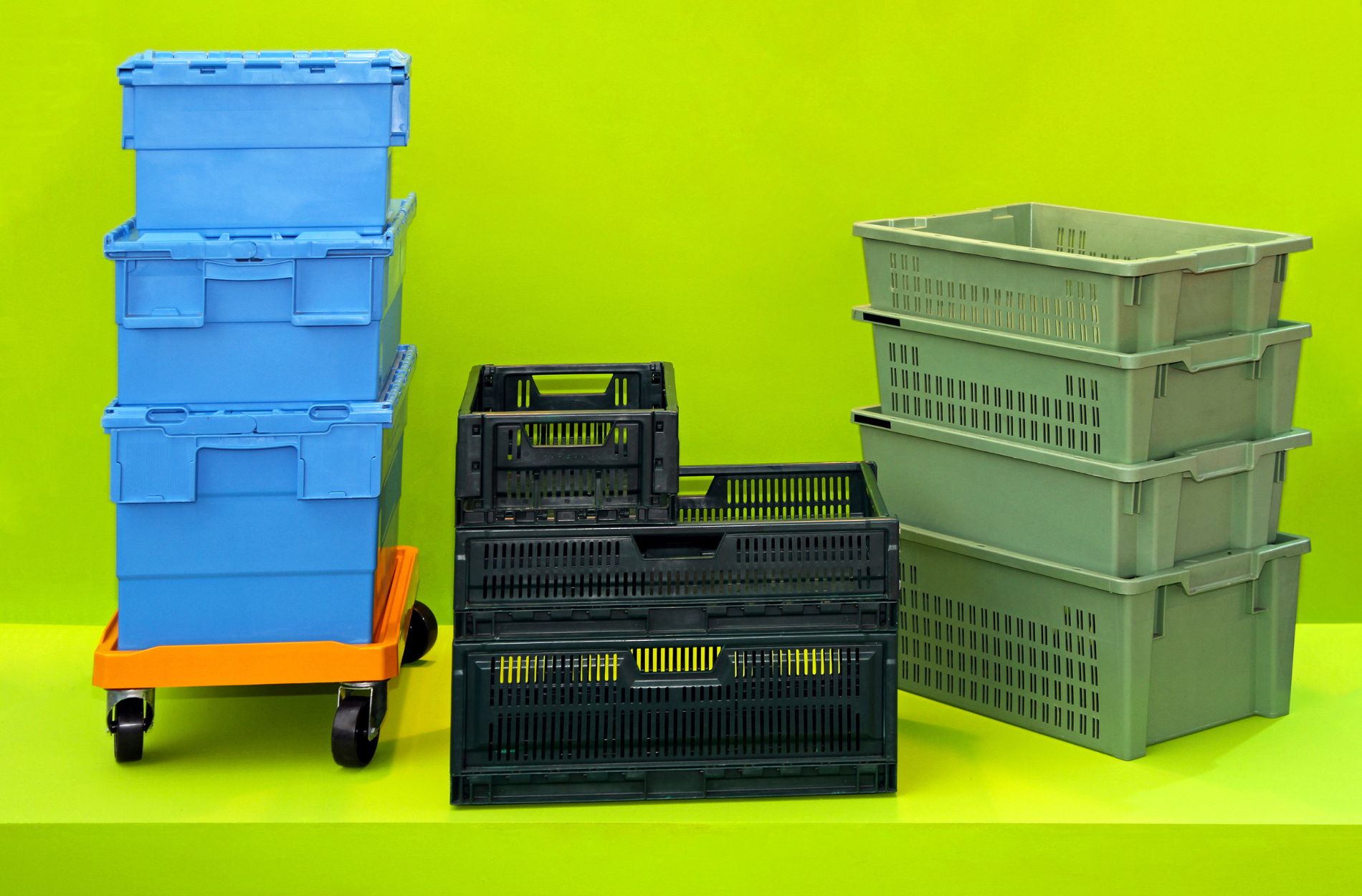
Cold shipping routes during late winter bring their own set of challenges. When temperatures drop and docks are frozen, packaging materials can take a beating. Transits run longer, warehouses shift between warm and cold zones, and containers are handled more often than usual during return cycles. If the box cannot take the pressure, the product inside ends up paying the price.
That is why we focus on strong, reliable options that hold up when winter is harsh. Reusable packaging, especially in places like Rochester, NY, provides a better defense against cracking plastics, collapsed corners, and damaged cardboard. The cold does not wait, and the equipment we use should not have to hope for spring.
What Cold Weather Does to Packaging Materials
When the outside temperature drops, the stress on packaging starts to show. Materials that work well at room temperature often lose their strength when exposed to freezing conditions. Here is what tends to happen.
• Some plastics get brittle in the cold and can break on impact, even from a soft bump.
• Foam padding might shrink, which changes the fit inside the box and removes the cushion that was supposed to protect the contents.
• Cardboard and untreated wood can absorb moisture, leading to warping, swelling, or softness in spots that used to hold firm.
Freezing air also adds weight and pressure in ways we sometimes do not expect. If packaging was not made to handle it, layers peel, corners snap, and stability disappears. That is why testing how materials behave when exposed to repeat freeze and thaw cycles is important. It’s easy to miss how quickly packaging can fail under these repeated stresses, especially if materials were not designed for cold environments.
If containers were built for just one temperature, any unexpected freeze could cause brittle cracks or stuck lids. Sometimes, boxes that look fine on the shelf can fall apart after just one exposure to extreme cold. Packaging for late winter must endure a mix of dampness and sudden temperature changes, not just the chill. When snow is still on the ground and docks may be icy, this extra toughness keeps shipments safe.
Why Reusable Packaging Holds Up Better Over Time
When packaging is expected to make multiple trips, especially during the colder months, it has to be built differently. Reusable packaging is made with those challenges in mind. It is not just about lasting longer, it is about performing well every time it leaves the dock.
• We use reinforced walls to support the box under heavier loads and low temperatures.
• Seams are welded or joined with high-strength bonding so they will not split when the air gets dry or icy.
• Materials are often selected for how they respond to change, including quick dips below freezing or long exposure in cold trailers.
Reusable packaging is also tested for extreme conditions more often than single-use containers. That means we can rely on its performance the fifth or tenth time it is used, not just the first. During late winter, when the cold lingers and ice is harder to avoid, that level of consistency matters.
Repeated cycles through cold and thaw can show the difference between a package that was made for warm warehouses and one that is designed for harsh cold. A container that holds its shape and resists splitting after many uses helps keep products safe and cuts down on replacements. It is not enough to have a tough box; the packaging must keep working as days pass and as the weather shifts unexpectedly in early spring.
Smart Features That Help Reusables Perform in Cold Shipping
Good packaging design is about using strong material and choosing features that work for the job. In winter conditions, friction, grip, and tight fits can all lead to failures if they are not planned for.
• Double-layer walls or insulating liners help reduce the shock of sudden temperature changes.
• Non-slip finishes on the outside give workers a better grip, even when gloves are wet or icy.
• Molded corners and locking lids help hold shape and keep the package closed, even if it gets dropped or shoved during stacking.
Small features often make big differences. Extra layers inside a box can keep the temperature steady just long enough for highly sensitive equipment to arrive undamaged. External grips or molded handles help prevent slips that could turn into costly drops on icy floors. Details like locking corners mean that when boxes are bumped or tipped on a dock, they stay closed and the contents remain safe. All these extras matter more when everyone is wearing heavy gloves and the pace is slower because of the weather.
Skipping these details can lead to delays or lost product. A slippery box on an icy dock becomes more than a hazard, it can be the reason something never makes it to the customer.
Storage and Transit: Avoiding Damage in Late Winter
Reusable packaging has to endure frozen loading docks, warm warehouse floors, and back again, often in a single day. Stability matters if we want to avoid shifts and spills.
• Cold affects how the bottom of many containers grip the floor or truck bed. Weight shifts differently, and without skid-resistant feet or textured bases, entire stacks can slide.
• Boxes that do not compress evenly might lean or collapse, especially if parts were softened by condensation.
• Proper placement inside truck trailers and on pallets makes a difference. Stacking for winter routes means accounting for condensation, cold walls, and vibrations from rough roads.
Spring shipments can often see condensation inside trucks as daytime temperatures warm up, adding new challenges for packages that traveled in freezing weather the night before. Pallets may pick up moisture on their bottom layer or sweat collects on box lids as they move from cold trailers to heated warehouses. Proper design stops these changes from making boxes weak or unstable.
If planning for those changes is overlooked or designs suited for warmer months are used, issues appear quickly. Smart layouts and tested container shapes help keep each load steady from start to finish, even in late winter when snow and melt are present on the ground. The right placement keeps structures firm, so the bottom box will not crush under extra weight if things shift during transit. When packaging is made for the whole journey, workers can move stacks with more confidence.
Materials That Make a Difference in Cold
We do not just pick materials that appear strong. Cold-resistant packaging means testing how every surface reacts to cold, moisture, and repeated use. Some stand out better than others in freezing conditions.
• Molded pulp tends to last when dense and sealed correctly. It is a good insulator and does not crack easily. But it needs to be kept dry and shaped correctly.
• Treated corrugate resists water and maintains some flexibility in colder temperatures. It is a solid choice when weight is a concern, but it has a lifespan.
• Rigid plastics built for reuse are more reliable during shipping cycles. Certain blends stay flexible and impact-resistant even when exposed to deep cold for days.
Balancing weight with strength and insulation is important. In places like Rochester, NY, we know the temperature can change quickly. That is why we test how materials respond to both dry cold and late-season thaws that bring surprise moisture into every moving part. Even a small lapse in material choice can lead to a box failing when the weather shifts.
For companies with long return cycles, it’s wise to select materials that hold up after repeated use in cold weather and withstand frequent thermal changes. Monitoring how insulation and rigidity change between morning and evening can point to best-fit options for late winter shipping. Practical testing over several cycles helps find the sweet spot where strength and flexibility meet durability.
Built to Survive Winter Shipping
Winter does not let up easily, especially late in the season. That is when equipment has already been through tough conditions, and packaging gets tested again. Reusable packaging makes a clear difference here, not just in how long it lasts, but how well it withstands pressure.
Good packaging starts with the right material, but its success depends on design. From molded edges to liners and locks, it is the features we build in that keep shipments safe when the temperature drops and handling becomes tougher. When we prepare with the right tools, we see fewer broken items, fewer delays, and better shipments through the end of winter.
Preparation for the last cold weeks of the season helps workers trust that containers will handle the strain. Every box that overcomes another freeze without breaking gives one more reliable trip in often unpredictable weather. The last weeks of winter are a true test, reminding us which packaging options can carry on until spring.
Packaging Solutions That Last Through Late Winter
Orcon Industries offers reusable packaging options with rugged engineered plastics, dense molded pulp, and treated corrugated designs to help withstand shocks, stacking, and moisture. Many of our containers are custom-fit for specific parts, so you get the right layout and a secure, efficient return cycle for demanding shipping routes.
Late-season cold in Rochester, NY can be tough on equipment, but the right packaging protects your shipments even when conditions change quickly. Strong design, smart features, and quality materials are key to reliability when temperatures drop. That is why at Orcon Industries, we are committed to using smart solutions with each container we deliver. To help your team stay prepared for consistent loads throughout spring and late winter, we offer rugged, dependable reusable packaging built to perform. Contact us today to discuss how we can support your packaging needs.