
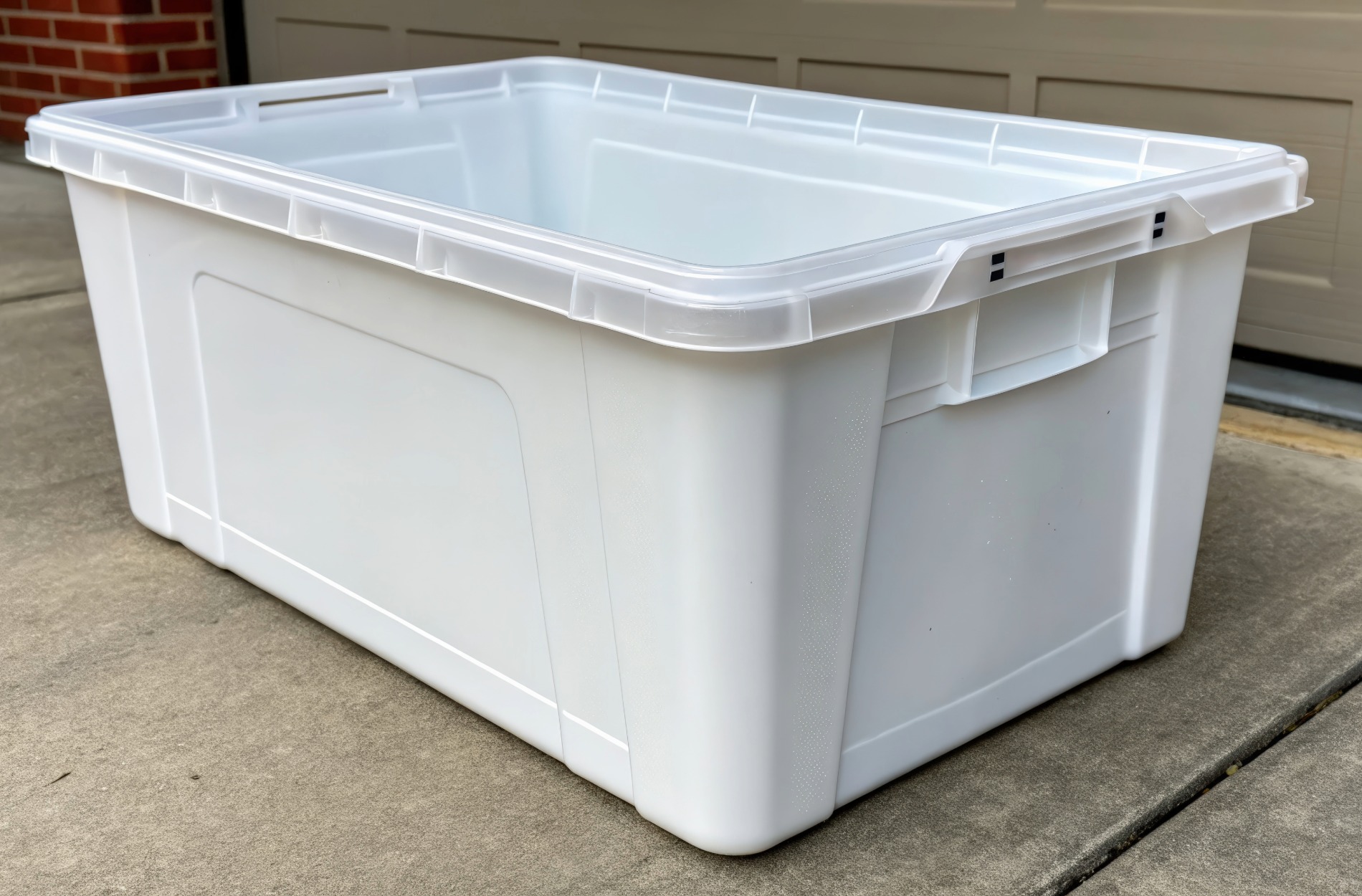
Corrugated plastic containers are used widely across industries like medical, electronics, and manufacturing because they’re lightweight, moisture-resistant, and reusable. But their benefits only hold up if the container itself is made well. When something goes wrong during manufacturing, or when materials are subpar, these containers can fail when you need them most. That’s why paying attention to quality before using them is so important.
Orcon Industries has worked with corrugated plastic for years and understands how small issues can lead to big problems. We serve companies that depend on packaging that performs from start to finish, even in tough settings. Whether it’s warehouse storage in Rochester or long freight routes, packaging has to do more than just look good — it needs to hold strong.
Spotting flaws early, testing for durability, and following quality practices are key steps that help protect your products and your process. Let’s take a closer look at the most common problems to watch for and how to catch them.
Signs of Quality Issues in Corrugated Plastic Containers
The first thing you’ll notice about a bad container usually comes from sight or touch. These visible and physical signs often show up before any real damage happens, and they’re worth catching early.
– Cracks or splits near fold lines or corners
– Warping that changes a container’s shape
– Holes in the surface from poor manufacturing or punctures
– Uneven textures, air bubbles, or rough patches
Once durability starts to slip, it doesn’t take much for damage to occur. A red flag is when a plastic container feels too flimsy. If walls bend easily or seams start to pull apart, it’s a sign that the container may not handle what it’s supposed to carry.
Another common issue is inconsistent sizing. Corrugated plastic containers are often custom-fit to equipment, shelving, or a large shipping crate. Even slight dimensional errors can cause trouble. Poor stacking, shifting during transit, or alignment issues on production lines can lead to slowdowns or damaged products.
You don’t always need special tools to catch these problems. Comparing different containers side by side helps. Run your hand across the sides and edges. If a container feels weaker, or seams don’t match your standards, set it aside. Simple checks during handling can keep flawed containers from slipping into use.
Testing Methods to Spot Quality Issues
Not all problems can be spotted with a quick glance. Some only show up under stress or after exposure to regular wear and tear. Running a few basic tests can give you more confidence in your packaging.
Start with load testing. Place common or slightly heavier goods inside the container. If it bends, stretches, or distorts under the weight, that’s a warning. Next, try drop testing. Lift the container a few feet and let it fall naturally with items inside. A sturdy container will hold firm. Cracks or buckling show that it may not survive shipping conditions.
Environmental testing also matters, especially for operations in places like Rochester. Winters can be cold, and summers bring humidity. Try storing a test container in varying conditions. If it gets brittle in the cold or soft and saggy when exposed to heat and moisture, it won’t be reliable on long routes.
Hidden issues may require specific inspection tools. A UV light can reveal stress marks or faint cracks that aren’t easily seen. Magnifying tools help spot small flaws in seams or folds that could grow worse over time. When inspections are worked into your regular flow, they help you catch weaker containers before they reach the packing line.
Preventative Measures and Best Practices
Quality issues often come down to habits. The more effort you put in upfront, the smoother things run down the line. Sticking to a few key practices can help minimize risk and improve your packaging flow.
1. Choose suppliers who are open about their standards
– Look for experience with corrugated plastic
– Ask for samples
– Make sure raw materials meet your needs
2. Hold regular container checks
– Inspect new batches right away
– Rotate older stock to avoid unnoticed wear
– Document any flaws so patterns are easy to spot
3. Train your team regularly
– Walk them through key inspection points
– Show them what bad containers look like
– Make it easy to report something they’re unsure about
Problems can sometimes sneak in during rush periods or when there’s staff turnover. That’s why keeping everyone on the same page makes a difference. When containers are expected to stay strong inside a large shipping crate, even one failure can lead to thousands of dollars in wasted material or damaged goods.
How Our Experience Supports Quality Packaging
We’ve seen firsthand how packaging flaws hurt operations. Sometimes, it’s a minor ripple, like stack height getting thrown off and slowing down order fulfillment. Other times, containers collapse during a move, damaging fragile parts inside. Either way, it’s the kind of issue you can’t afford to repeat.
At Orcon Industries, years of experience have helped us develop packaging that holds up reliably while meeting the specific needs of clients. We work closely with engineers and production teams to design containers that fit just right and resist wear. From cleanroom-ready solutions to rugged containers for heavy machinery parts, our packages are built with purpose.
If your shipments travel long distances, toughness matters. That’s where a good corrugated container and a solid large shipping crate come together. One protects the inside, the other keeps the load steady through vibrations, turns, and unloading at the dock.
It’s also why we tailor our products to your industry. No two setups are the same. Whether you need containers to sit neatly on automated lines or lightweight boxes for quick manual sorting, we take that into account from the start.
Keeping Packaging Reliable Long Term
When something as important as your product rides inside plastic containers, quality isn’t an area to guess on. All it takes is one poor container to slow down packing, ruin a shipment, or cause a delay that throws off your client’s expectations.
Sticking to a regular check process makes spotting flaws manageable. Teaching your team what to look for turns everyday handling into a backup inspection system. Choosing vendors with proven track records lowers your risk across the board.
And when your packaging needs to do more than just store a part — when it needs to survive rough handling, long routes, and changing climates — it’s worth working with a partner who builds that strength into every unit.
Orcon Industries combines industry knowledge with reliable design, strong sourcing, and custom solutions that fit how your business runs. We help you avoid quality issues before they happen and keep your shipments moving with confidence.
For businesses managing a high volume of shipments, ensuring the strength and reliability of your packaging is key. Orcon Industries is here to help. If you need secure and trustworthy containment for your goods, consider using a large shipping crate built to endure long distances. Let us support the safety and efficiency of your operations with durable crating solutions that match your needs.