
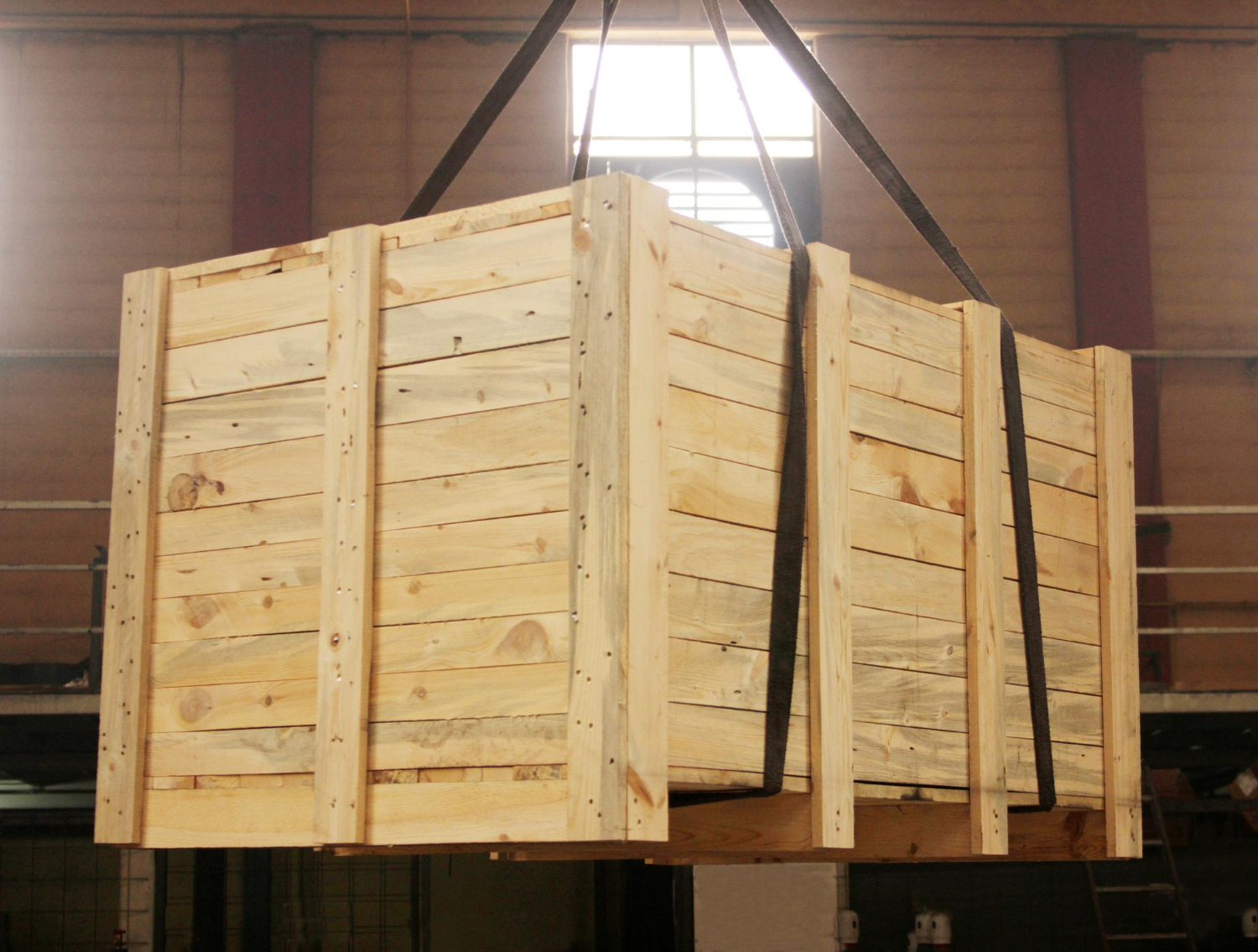
Upstate winters, especially toward the end, challenge nearly every part of a storage system. From heavy snow buildup to long stretches of freezing air, the gear we use has to stand up to the wear. This is especially true when storing heavy goods that can’t afford to shift, sink, or fall apart in rough conditions. We’ve found that using storage containers in wood gives us a solid advantage in colder months. When hard weather pushes everything to its limit, wood helps us stay one step ahead of the damage.
As temperatures fluctuate in Rochester, NY, and winter lingers into March, it becomes even more important to revisit your storage plan. Heavy loads, freezing cycles, and damp conditions all require extra attention to make sure nothing is overlooked. Every decision, from the container design to its placement, can impact your equipment’s longevity and the safety of your stored goods.
Why Wood Works Well for Cold-Weather Storage
Not every material can survive long exposures to subzero air or heavy loads frozen in place. Wood, when selected and managed right, holds up better than many other options during winter.
- It handles both weight and pressure without becoming brittle like some plastics
- Its natural fiber structure reduces sudden internal cracking brought on by freezing temperatures
- A well-treated wood surface sheds early moisture and can keep cargo safe until the thaw
We don’t rely on just any wooden box. The type of wood, the build, and the finish all play a part in how well the container performs during the home stretch of winter. As the snow in places like Rochester, NY, lingers into March, those details start to make a difference.
When selecting a wooden storage container, it also helps to consider how the moisture content of the wood itself will respond to temperature swings. A lower moisture content in the wood makes for better performance as it will not expand or contract as much, minimizing the risk of gaps or splits developing as the weather changes. Well-constructed wood storage containers are also less prone to the brittleness that can affect other materials, making them a preferred choice for the fluctuating demands of late winter and early spring.
Key Design Features That Support Heavy Loads
For heavy goods, storage containers can’t just stay standing. They need to carry weight evenly, support stacking, and survive rough handling, even when hands are cold and floors are slippery.
- Reinforced panels help maintain the shape of the container under load stress
- Bracing in the corners and joints prevents buckling when containers are moved or lifted
- Entry points and lids should be large enough to operate with gloves and still close tight
We make sure the boxes don’t shift under pressure. That’s especially true at the end of winter when thaw cycles start to change how the loads behave as moisture finds its way in.
In addition, attention to hardware and joining techniques is crucial. Quality hinges, handles, and fasteners remain sturdy even when exposed to temperature extremes. These features not only keep the container sealed and secure but also improve the experience for workers handling these containers in gloves or while working in cold warehouses.
The design should also accommodate the realities of tight storage and transport spaces, ensuring that even fully loaded containers can be stacked or maneuvered without excessive strain on their structure. Proper fit and reinforced joints protect contents from shifting, which is essential when freezing and thawing cycles introduce new movements into previously stable setups.
Preventing Moisture and Mold Inside and Out
Late-season weather tends to bring hidden water risks. While snow seems solid at first glance, melt and condensation sneak into weaker joints, leading to damage if containers sit too long.
- Raised bases or footers keep wooden storage containers off standing water or wet floors
- A sealed or lined interior helps protect the cargo, even if a small drip appears from above
- Planning for airflow around stacks reduces the chance of mold forming from trapped moisture
We keep a close eye on dry spots that suddenly feel damp, especially in corners or areas where snow piles up around the edges of our storage lots.
Good winter storage planning includes routine inspections for moisture, both inside the container and in the surrounding area. Lifting boxes off the floor with pallets, blocks, or custom-built risers further guards against slow-forming water damage. Even minor drips or condensation, if not spotted early, can lead to stains, warping, or the growth of mold that may compromise the integrity of both the wood and the stored items.
Within the boxes themselves, using absorbent materials or breathable liners can help control humidity. Spacing out containers allows airflow, which is crucial as temperatures begin to fluctuate between hard frosts at night and warmer afternoons. Thoughtful stacking and rotation make it possible to catch potential trouble spots before they grow into larger problems during the unpredictable weather that marks the end of winter in upstate New York.
Placement and Movement in Low Temperatures
Even with the right materials, placement makes a big difference when temperatures drop. Poor positioning creates extra stress and potential movement that wasn’t planned for.
- On metal or concrete, wood containers can freeze to the floor and splinter when moved too quickly
- Using cold-resistant sliders or wraps on the base helps prevent that freeze-lock from forming
- Every time a loaded container is moved between indoor heat and outdoor cold, we give it time to adjust before opening or shifting
Quick transitions late in the season can create weak points. That includes flooring frost, stuck lids, or outer layers that start to separate from the core material.
Whenever possible, clear paths are planned well in advance to avoid unnecessary exposure to drafts or snow, and entryways are kept clear to provide space for safe movement and lift-access. Workers are encouraged to take their time adjusting containers to the indoor environment after they’ve been out in the cold; rushing this process may result in splintering, sticking lids, or damaged corners. By integrating caution into the workflow, long-term damage to the storage containers is less likely.
Since upstate winters bring fluctuating temperatures, the stress applied from repeated freezing and thawing can be just as risky as a sudden drop. By allowing for gradual transitions and stable placement, you’re giving each container and its contents the best shot at remaining intact through the late-winter stretch.
Protecting Heavy Goods Until the Last Freeze Breaks
Even when spring is almost here, the risk of damage hasn’t passed. March in upstate climates is messy, unpredictable, and full of freeze-thaw action packed into a single day.
- Lids that were stable in January may start to loosen after daily cycles of swelling and drying
- Locks or fasteners should still work smoothly without being forced open
- Inspect for stress cracks or edge damage before loading to spot weak spots that grew over time
We don’t assume the worst is over just because the sun is stronger in the afternoon. The colder nights still pressurize the materials, and we want to know our storage plan will hold firm just a little longer.
These last few weeks of winter are when careful management pays off most. Having a system in place for end-of-season inspections, looking over each box for signs of fatigue, readjusting hardware, and cleaning away dirt or snow buildup must become standard practice. This allows the containers to perform through the remainder of winter and leaves them ready for easy transition into the demands of springtime storage or shipping. Routine checks now prevent costly repairs and lost product later.
Built to Last Through Upstate’s Toughest Months
When the snow sticks around into March, we don’t treat it like spring yet. That mindset keeps our equipment, storage gear, and shipping setups ready for one more round of hard days. Wood containers built for winter conditions give us the stability, strength, and protective structure we rely on when everything else feels unpredictable.
Every detail counts: how the base fits the floor, how the joints respond to cold swelling, and how the material adjusts as temperatures rise again. With the right eyes on design and a little added attention near the end of the season, our storage plans can make it through Upstate winters without falling short at the finish line.
Storing heavy-duty parts or components through the end of winter in Rochester, NY, means every detail counts, from the construction of your containers to how well they perform when temperatures dip overnight. Our proven designs withstand freeze-thaw cycles, support stable loads, and protect cargo even in harsh weather. For reliable setups that deliver long-term storage and load support, we recommend our storage containers in wood. Orcon Industries builds these solutions with Rochester, NY, conditions in mind. Give us a call when you’re ready to discuss the best options for your products.