
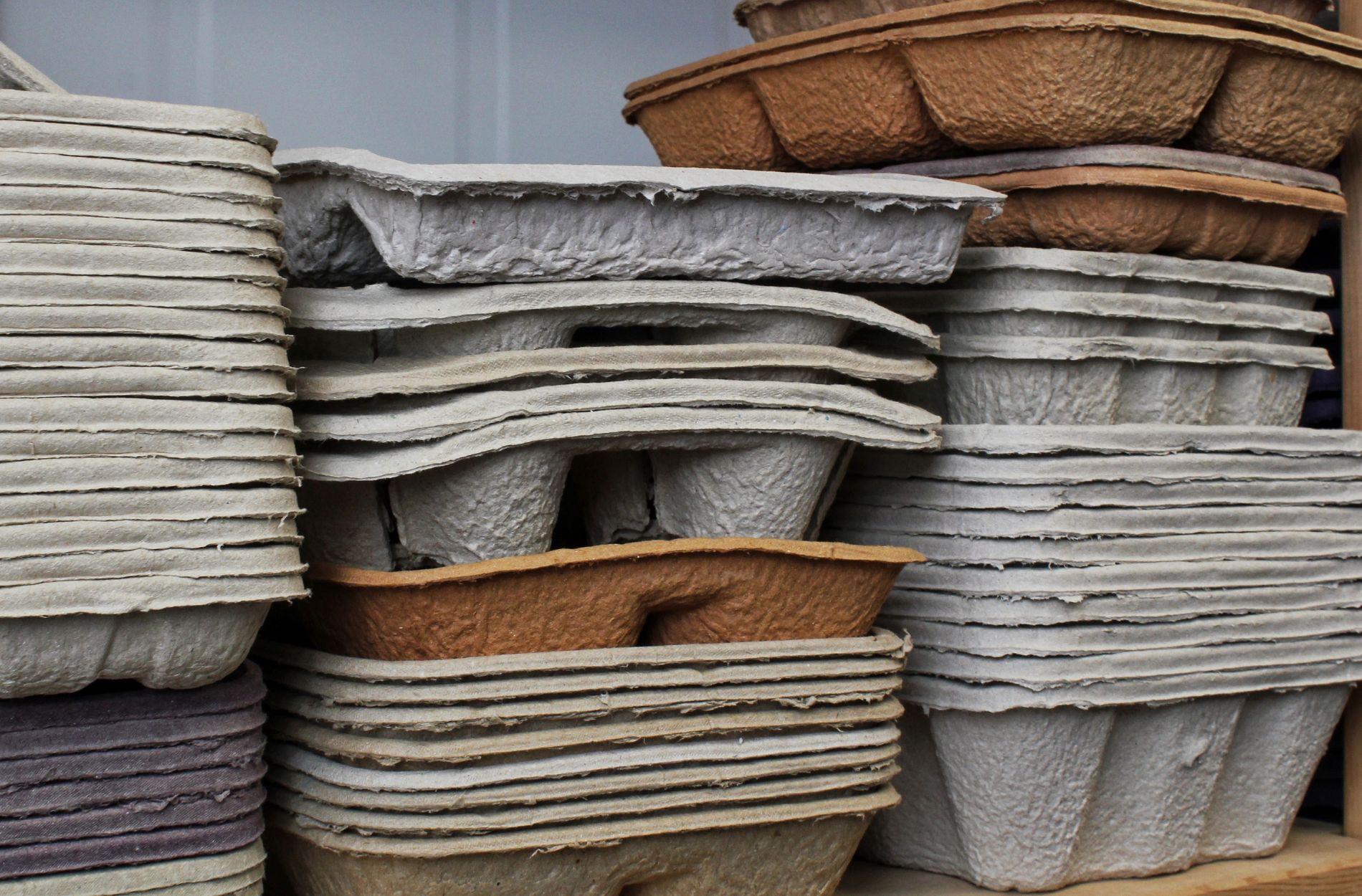
Cold storage plays a big role in how we move and protect products during winter months, especially in places like Rochester, NY. Whether items are sitting on a warehouse shelf or riding in the back of a trailer, freezing temperatures can change how packaging holds up. Some materials stiffen or lose strength, which puts the load at risk of damage before it ever reaches its destination.
That’s why many businesses look to molded pulp as a better option for temperature-sensitive goods. It’s strong, simple, and holds its shape even when stored in the cold. More than that, it’s a cleaner choice that doesn’t add unnecessary waste to operations. When managed right, molded pulp provides solid support for the kinds of products that need a little extra care in harsh weather.
Understanding Low-Temperature Storage Challenges
When the cold sets in, packaging behaves differently than most expect. Materials that once felt flexible can become stiff or brittle. Cold air pulls moisture out of the environment and then adds it back, depending on how often items move from the warehouse to the truck and back again.
• Plastic and other synthetic materials often shrink or crack when exposed to freezing air for long stretches.
• Temperature swings cause condensation, which can seep into containers and affect both the packaging and the items stored inside.
• Fragile goods like electronics or small medical parts lose their safety net if the packaging fails even slightly.
Even with short transit times, that shift from freezing cold to indoor heating can stress the packaging enough to break it down. The more it’s hauled or stacked, the greater the wear, and by late winter, a small crack can become a complete break during peak movement. These risks make it clear why picking the right packaging up front is so important, especially as winter gets long and unpredictable.
What Makes Molded Pulp Effective in Cold Conditions
Unlike plastic or lightweight cardboard, molded pulp stays firm and balanced, even as temperatures drop. Its texture isn’t fragile, and it tends to bounce back from minor hits or shifts in weight. That performance holds steady whether we’re stacking items in a climate-controlled space or loading containers outdoors.
• Molded pulp doesn’t stiffen the way other materials might when left in the cold.
• Its layered shape keeps heat in longer and offers a bit of natural insulation that’s helpful with temperature-sensitive items.
• It can take a knock without falling apart, especially in everyday storage situations like movement on a forklift or loading dock.
The best part is that it does all that without adding plastic waste or foam fillers. For operations trying to cut down on non-recyclables, that matters during winter when packaging demand tends to spike. Not only does molded pulp stand up to the cold, but it’s also easy to dispose of and fits right into efforts to reduce environmental impact all year long. It’s an option that checks both the strong and responsible boxes.
Real-World Uses for Molded Pulp in Cold Storage
Much of the packaging stress during winter comes from materials that weren’t designed with low temps in mind. Molded pulp, by contrast, has shown steady performance across several types of environments.
• It’s often used for medical tools or delicate instruments that can’t take a hard landing.
• Electronics packaged with it stay protected even when stored in unheated trailers overnight.
• Glass goods, bottles, or anything with surface pressure points rides better with pulp corners and support, especially during cold-season transport.
These molded materials work just as well inside storage racks as they do in crates out on the dock. They can be formed to fit different items and are useful for seasonal rotations where the temperature shifts week to week. That kind of flexibility helps with planning, especially when January leads straight into a busy February. Companies across various industries have found molded pulp to be a practical solution to their winter packaging issues. Whether for high-value electronics or basic warehouse inventory, using molded pulp can keep products steady throughout the coldest months. Its adaptability and customizability mean that nearly any product can benefit from molded pulp protection, even as needs change throughout winter.
How to Maximize Results with the Right Packaging Design
Getting the most out of molded pulp isn’t about thicker layers or more padding. It’s about how it fits around the product and the type of support structure that surrounds it.
• Pairing molded pulp with inserts or dividers adds structure for multi-part items or boxed collections.
• Choosing the right shape allows even weight across each surface, reducing the chance of bending or crushing.
• Tighter fits mean less shifting in transit, which guards against breakage during quick moves or rough handoffs.
Cold weather adds tension to the packaging process. Frozen fingers don’t always grab with precision, and rushed loading can turn a weak container into a broken one. A design that fits well and supports from underneath helps more than just one-time use, it holds up across repeated cycles. Looking at how molded pulp is shaped and arranged around a product lets businesses avoid sizing mistakes that can cause trouble later. Extra inserts or built-in trays also make stacking and storage much more predictable when the cold makes everything harder to handle.
Why Sustainable Packaging Still Matters in the Winter
Winter might make things feel urgent, but it doesn’t mean sustainability goes on hold. Peak shipping times often bring extra waste, and going back to heavy plastic or foam causes problems later.
• Molded pulp gives us a better option when we want strength but still care about impact.
• It helps limit the amount of single-use plastic slipping through storage areas during the coldest part of the year.
• As more winter goods come and go, reusable or recyclable pulp packaging keeps operations low-waste without giving up protection.
Just because the weather is tough doesn’t mean we should settle for materials that don’t support long-term goals. Every shipment that uses better packaging now means fewer breakdowns and fewer toss-outs later. With molded pulp, companies can keep operations cleaner while staying on top of safety and performance during winter’s busiest moments. Environmentally responsible packaging also helps when planning for future winters, making company processes more reliable year after year, no matter how the temperature swings.
Cold Storage Confidence with Smarter Packaging
Keeping up with winter operations in Rochester, NY means dealing with colder air, slick docks, and storage spaces that just don’t warm up fast. These conditions demand packaging that works under pressure without falling apart. Molded pulp helps carry that weight without bulking up shipments or cutting into long-term performance.
Orcon Industries produces molded pulp packaging that is custom-designed to fit a wide variety of industry needs, including solutions for medical and electronics components. Items like trays, inserts, and end caps use renewable materials and can be engineered for the demands of cold storage environments.
Preparing for colder operations in Rochester, NY means choosing packaging that withstands the elements without creating extra waste. For products that require advanced protection beyond a basic box, using the right materials simplifies winter storage and boosts safety. Our team focuses on smart solutions like molded pulp, which performs reliably in low temperatures while streamlining your supply chain. Orcon Industries partners with you to make decisions that safeguard your process and the products you count on. Get started today to start the conversation.