
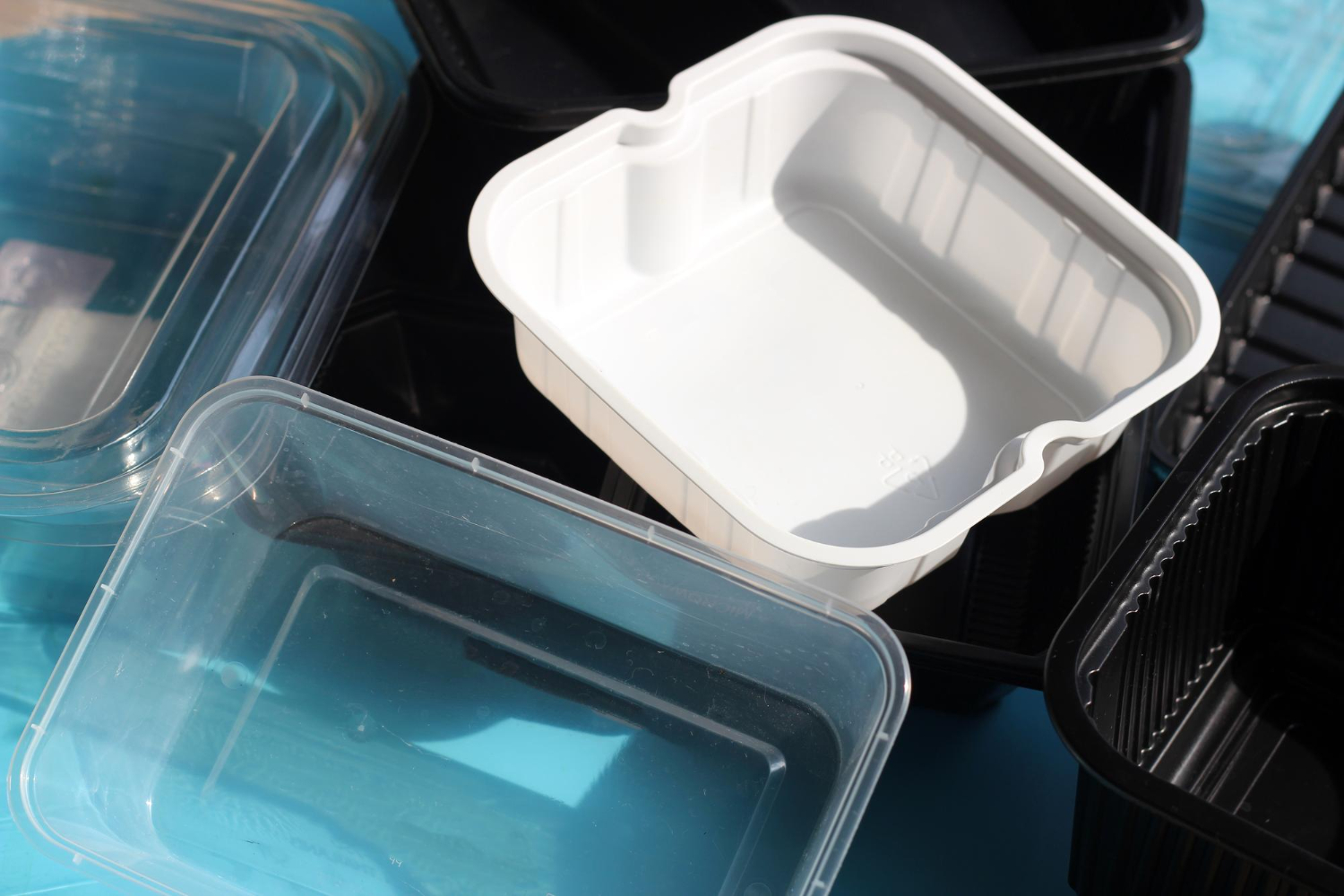
Reliable product storage matters year-round, but by December in places like Rochester, NY, cold chain storage becomes even more important. From frozen food to medical supplies, the ability to keep products at a constant temperature during transport and storage is a must. If something breaks that chain, products may go to waste or worse, become unsafe to use. That’s where packaging steps in not just to protect physical items from damage but to help control internal temperature too.
Thermoformed packaging is one option that fits this task well. It’s lightweight, customizable, and built to match the shape and size of the product it’s holding. It also helps trap cold air around the item, giving it more time to hold steady in changing conditions. For companies who depend on temperature control from point A to point B, it’s often a dependable solution.
What Is Thermoformed Packaging?
Thermoformed packaging is made by heating a plastic sheet until it becomes bendable, then shaping it around a mold to create a custom-fit container. Once it cools, it holds the shape of the mold. That shape can be as simple as a tray or as complex as a multi-layered container. Everything depends on what the end-use item needs, like how fragile it is, how much insulation it requires, or how it’s going to be transported.
Here are some common materials used in thermoformed packaging:
1. PET (Polyethylene Terephthalate): Clear, strong, and often used for food trays
2. PVC (Polyvinyl Chloride): Good for rigid packaging but less common due to sustainability concerns
3. PS (Polystyrene): Lightweight and cost-effective
4. HDPE (High-Density Polyethylene): Durable and offers some temperature resistance
5. Polypropylene: A good choice when heat resistance is needed
Most of the time, these materials are chosen based on budget, product type, and environmental preferences. Some clients ask for recyclable options, while others focus more on impact protection or clarity. Either way, thermoforming offers a lot of flexibility without adding bulk or weight to the packaging.
What sets it apart is how well it hugs the product. This can help reduce shifting during transport and also offers a neater, more professional look for display. Whether the product needs to stay cold or just stay intact, thermoformed packaging can be shaped specifically with that goal in mind.
Benefits Of Thermoformed Packaging For Cold Chain Storage
Thermoformed packaging isn’t just about shape. It plays a role in keeping products cold too. When designed right, it helps support the temperature range needed during storage and shipping. Since cold chain logistics depend on consistency, anything that helps reduce exposure to warm air is a big win.
Here’s how thermoformed packaging supports cold chain storage:
1. Temperature control: The close fit helps limit airflow, which can keep items colder for longer stretches of time
2. Product stability: By hugging the product, it cuts down on movement, which helps prevent leaks, breakage, or shifting inside a larger box or cooler during travel
3. Layering possibilities: Thermoformed trays can be nested, stacked, or combined with insulation layers for better cold storage performance
4. Leak control: Custom shapes can include features like raised edges or sealed pockets that contain moisture or spills
Let’s say a medical supplier ships small vials of medication that must stay between 36 and 46 degrees Fahrenheit. Using thermoformed packaging shaped around each vial helps keep it in place while giving extra time for a freezer pack to do its job. Even if the external cooler warms up slightly, the interior of the package retains some of that cold longer than loose packing might.
Being lightweight is another important part of its value. Thermoformed packaging adds very little extra weight, which can help with shipping costs. Combined with strong design and proper packing, it becomes a smart part of the cold chain storage puzzle.
Applications Of Thermoformed Packaging In Various Industries
Thermoformed packaging shows up in more places than people realize. Across industries, it plays a specific role when cold chain logistics are involved. It’s not a one-size-fits-all solution, but one that adapts well to the product, temperature needs, and shipping method.
In the pharmaceutical and medical fields, it’s used to protect products that must stay within strict temperature ranges. Think of vaccines, blood samples, or temperature-sensitive kits. Trays and compartments molded to each item’s shape not only help hold the chill longer but also make handling easier and safer. These containers often travel long distances, sometimes through multiple stops. Thermoformed trays can be placed easily into coolers or crates, making them ideal for shipments with complex routes.
Food providers rely on thermoformed packaging to help preserve items like cheese, meat, frozen meals, and fresh vegetables. The sealed trays you see in grocery stores often started their journey in a climate-controlled truck using a similar tray. With the right material, these containers keep outside air out and cool air in. That helps prevent spoilage and cross-contamination.
Other sectors such as electronics and chemical supplies also make use of thermoformed packaging. It’s often needed where fragile items must stay within a temperature range. For sensitive materials like sensors or liquid chemicals, even slight heat exposure could affect quality. Using custom-molded trays with insulation helps keep these items safe during transport.
Why Choose Thermoformed Packaging For Your Cold Chain Needs?
There are many ways to pack cold-stored items, but thermoformed packaging brings together a set of useful traits that make it a standout option. Companies choose it for reasons that relate directly to better storage, safer transport, and fewer problems with logistics.
Here’s what makes it a smart choice:
1. Fits the product exactly, cutting down on empty space and airflow
2. Available in both single-use and reusable formats
3. Works well with insulated boxes and refrigerated containers
4. Loads easily into shipping units with less risk of jostling or damage
5. Can be molded for tamper evidence, which adds protection in industries like food or healthcare
Think about a Rochester-based dairy company that ships store-brand yogurt during winter. Each pack of cups needs to stay cold, upright, and sealed through a long trip across the Northeast. Using thermoformed trays makes that possible. The trays keep items steady inside the cooler, reduce leaks, and speed up loading and unloading without changing much in the distribution process.
Even where other protective systems are used, thermoformed packaging often fits right in with fewer workflow changes. It does its job reliably while improving the way items are handled before, during, and after shipping.
Finding The Right Thermoformed Packaging Solutions
Not all thermoformed packaging is created equal. Choosing the right material, size, and layout can make a big difference in how well the packaging performs under cold chain conditions.
Here are a few helpful questions to guide the selection:
1. What temperature range does the product need to stay in?
2. How long will it be in storage or transit?
3. Will the items be stored individually or grouped?
4. Are they at risk for rough handling or impacts?
5. Are they affected by moisture buildup?
These answers help determine the best approach. Some situations call for completely custom molds. Others can safely rely on modified versions of existing trays. Picking the right strength and level of insulation protects both the item and the company’s reputation.
If your products move through Rochester or other cold-sensitive routes this winter, having the right packaging ready ahead of time can prevent delays and losses. Smart packaging choices give fragile or cold-sensitive cargo a dependable way to reach its destination in top condition.
Protect What Matters, Even In The Cold
Cold chain logistics can face a lot of challenges during colder seasons. This is especially true in areas like Rochester, where freezing temperatures and delays pose real risks. Packaging plays a quiet but important role in making sure goods arrive safe and intact.
Thermoformed trays and containers bring more than convenience. They bring performance, structure, and stability when cold chain conditions are at their toughest. From packaged yogurt and vaccines to chemical instruments or frozen meals, how something is packed directly affects how well it holds up in transit.
By choosing thermoformed packaging, companies can avoid common pitfalls and stay a step ahead. The right package isn’t just carrying the product. It’s helping protect everything that depends on it.
For reliable cold chain logistics, trust thermoformed packaging to keep products safe and efficient during transit. By choosing the right packaging, you ensure your goods arrive intact and within temperature specifications. Learn how Orcon Industries can support your operation with custom-fit thermoformed packaging built for performance in any condition.