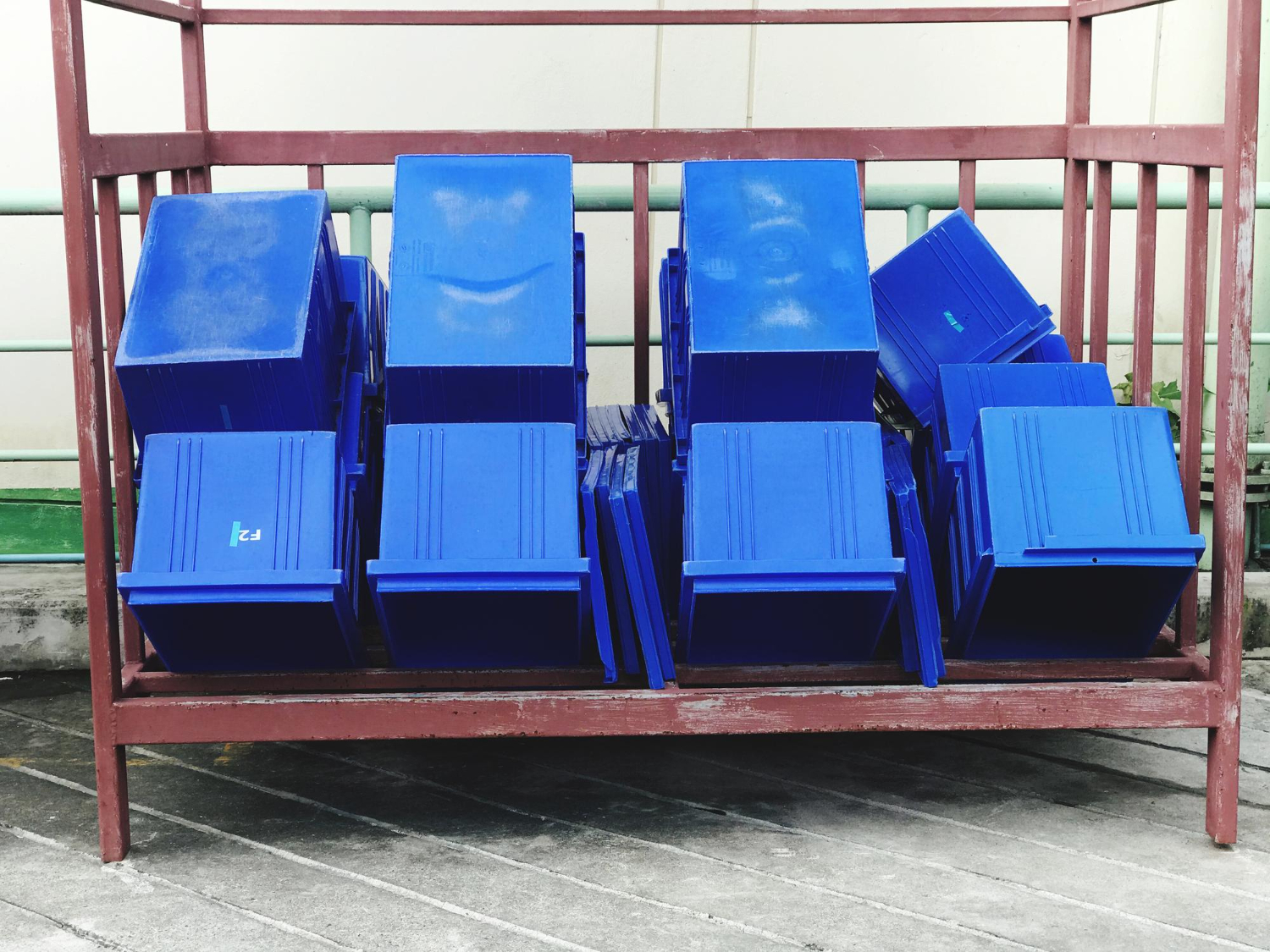
Returnable packaging is gaining more attention among businesses in Rochester, NY, and for good reason. Unlike single-use options, returnable boxes are designed to be reused multiple times during their life cycle. That means you’re not constantly ordering new supplies, and you reduce the waste that comes with constant disposal. For operations handling frequent shipments or working with consistent suppliers and customers, this model can offer a smarter way to manage logistics.
But getting the most benefit from these reusable materials means more than just putting them into circulation. To really know if they’re working for your business, you need to track how well they’re performing. Are they saving you time or costs? Are they lasting as long as expected? These are the types of questions this article will help answer. Tracking returnable packaging doesn’t have to be complicated, and taking the time to monitor the right things goes a long way in protecting your investment and improving performance.
Benefits Of Returnable Packaging
Before learning how to measure success, it helps to understand what makes returnable packaging such a valuable choice. Reusable solutions offer a number of direct and indirect benefits to businesses aiming for better process control and reduced waste.
Here’s what returnable boxes bring to the table:
– Cost savings from reuse: You no longer need to constantly buy new packaging for each shipment. This can add up over time, especially for high-volume operations.
– Consistent product protection: Since these boxes are designed to last, they often offer sturdier protection than single-use alternatives. That means fewer broken items and smoother deliveries.
– Better storage and handling: Many returnable designs are stackable and easy to store when not in use. They’re made with repeat use in mind, which can reduce damage during loading and unloading.
– Sustainability gains: Reusing materials reduces landfill waste and doesn’t demand constant production of new packaging, which can help support your company’s environmental goals.
These advantages can be measured and tracked to show how successful your investment has truly been. When boxes last longer, arrive safely, and travel smoothly through your work cycle, it’s easier to see their positive effect on operations.
Let’s say a company replaces bulk shipments of single-use corrugated boxes with durable plastic totes shared between its Rochester warehouse and a regional supplier. After a few months, they notice fewer damaged shipments, lower packaging costs, and faster turnaround. That’s the kind of outcome you can aim for with the right setup and the right tracking methods.
Setting Up Metrics For Success
To determine if your returnable packaging is doing its job, you need to measure performance in specific and consistent ways. It’s not just about keeping boxes in circulation. You’re looking to prove that what you’re doing makes sense over time.
Here are some key performance indicators you might want to focus on:
– Cycle time: How long it takes a returnable box to complete a full round-trip through your supply chain
– Number of uses per item: Tells you how long a returnable box is lasting before it needs to be replaced
– Loss rates: How many boxes go missing or become unusable over time
– Turnaround time: How quickly returned boxes are cleaned, sorted, and ready to use again
– Cost recovery timeline: When the initial investment in returnable packaging equals the savings from reuse
These can be tracked with something as simple as a spreadsheet or through digital tools that plug into your inventory systems. Make sure to label every box and set up a return log, even if it’s manual, to follow the flow of materials. When you start early and stick with it, you’ll spot trends quickly.
Once you’ve logged this data over time, you can compare actual results to your expectations and adjust as needed. This way, you can identify what’s working and what needs attention.
Tools And Technologies For Tracking
After defining your key indicators, you’ll want tools that help make the tracking process easy and dependable. Many logistics teams across Rochester are already making use of smart tracking tools, and it’s simpler than you might think to get started.
Tracking software can help you record trip data, loss counts, and cycle times without needing to do everything by hand. These platforms allow team members to scan boxes as they leave or return to your facility, which automatically logs their location and timing in the system.
RFID tags are another great option. These small chips are fixed to each box and can be read in bulk by sensors. Unlike barcodes, which need to be scanned one at a time, RFID works without direct line of sight and can check multiple items in seconds, saving time in busy areas like warehouses or loading docks.
Here are a few practical tools and techniques businesses are using:
– Barcoded labels with scanning at departure and return points
– Spreadsheets updated regularly with use counts, damage notes, and turn times
– Cloud-based apps that team members can access from mobile devices
– GPS tracking for high-value or long-distance returnable packaging assets
If your process is mostly manual for now, choose one or two simple tools to start with. The real goal is consistency. That’s how you’ll gather enough data to truly improve your strategy.
Analyzing Data And Making Adjustments
Numbers aren’t just useful for tracking, they help you fine-tune and make better business decisions. If you notice that certain returnable boxes are being returned damaged or not returned at all, there’s a reason. When you spot that reason early, you can step in and make a change before it turns into a bigger issue.
Look for trends that might tell you where things are going off course. Maybe more boxes go missing from one shipping route than any other. Maybe it happens more in winter months, or when certain clients are involved. These patterns help you target the issue faster and more effectively.
A monthly review is a useful rhythm. Check your averages and ask questions like:
– Are turnaround times rising?
– Is box lifespan shorter than predicted?
– Do certain routes or teams see higher loss rates?
– Are specific returnable items getting worn out too quickly?
– Are the most-used items being over-handled compared to others?
Once you’ve spotted something, adjust your setup. That could mean changing your packaging types, tightening how returns are logged, or even reconsidering your loop partners. Start small and measure the impact of your updates.
Over time, these changes build a smarter and more reliable process across your operation.
Ensuring Long-Term Success
You’ve put the tracking in place and started fine-tuning — now focus on keeping things strong over time. Returnable packaging programs are most successful when they’re maintained and regularly re-evaluated. Let things run without check-ins, and you could end up right back at square one.
The goal here is to make sure the program works with minimal friction. That includes keeping packaging in good shape, rotating items to spread out wear and tear, and making it easy for your team to follow the process.
Here are some helpful practices:
– Create a quick checklist to inspect boxes before putting them back into use
– Maintain separate records of damaged and lost items
– Update box labels if they become worn or hard to scan
– Get feedback from people handling the boxes daily
– Rotate usage to prevent overuse of a few select containers
– Revisit your metrics and make tweaks every 6 to 12 months
These simple steps often lead to better buy-in from your team and smoother shipping loops. The more attention your packaging gets, the better it performs.
Why Smarter Tracking Makes the Difference
Returnable boxes make sense for a lot of businesses, especially those that ship consistently around Rochester, NY. But to really make the most out of them, you need to do more than just reuse. You need to measure, track, and adjust based on what the numbers are telling you.
With the right tools and goals, it’s easy to get started. Whether you use barcodes, RFID, skip tracing systems, or plain old spreadsheets, what matters most is that you’re keeping tabs and acting on the insights.
When your team builds these habits and you adjust small things along the way, your returnable packaging program turns into something long-lasting. Better savings, stronger inventory control, and happier customers are just around the corner.
For businesses looking to enhance their shipping processes and lower costs, making the switch to returnable boxes could be the next step forward. Orcon Industries offers tailored solutions to fit these needs and ensures your packaging investment delivers measurable value. Connect with us to explore how our expertise can support your packaging goals today.