
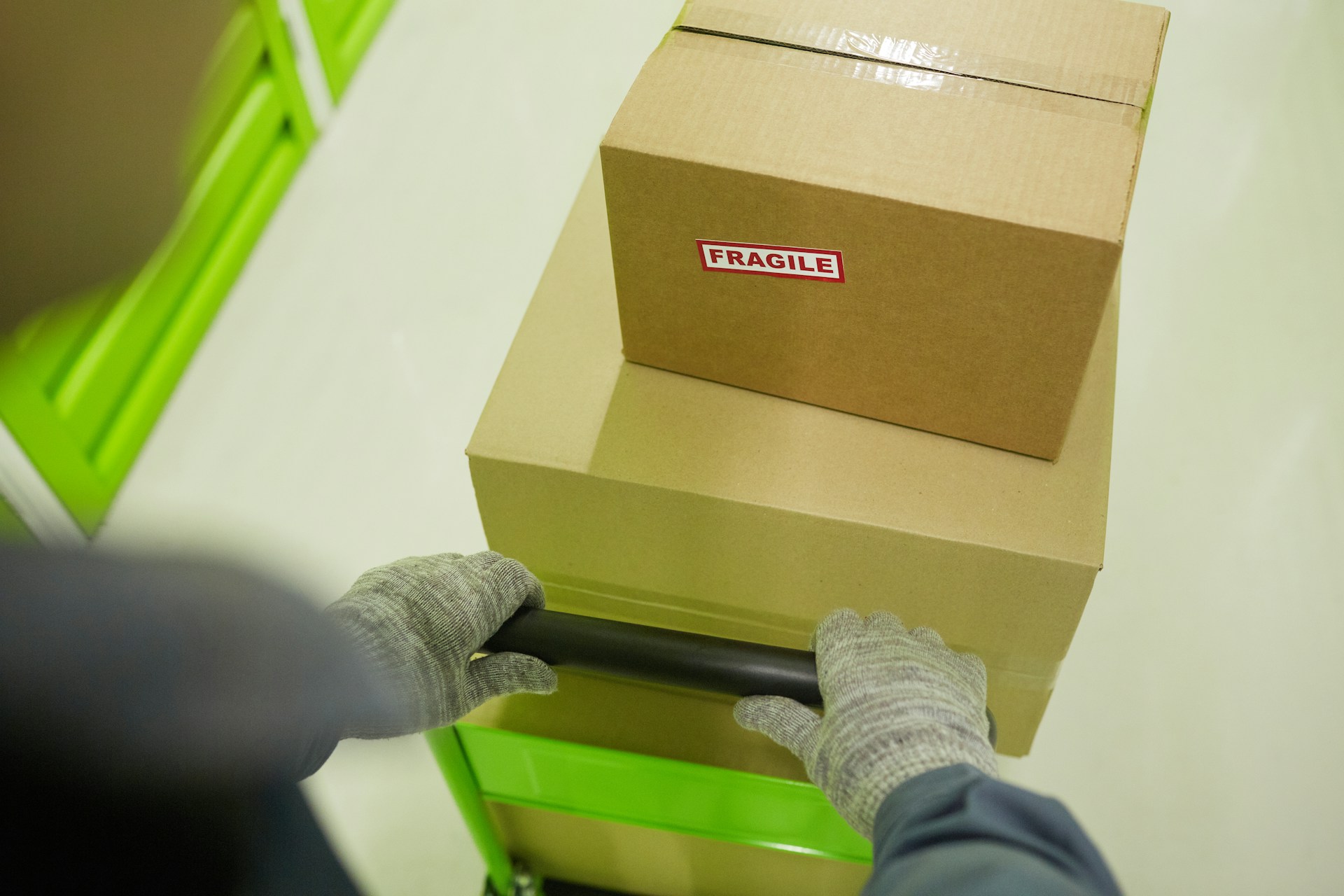
When you’re shipping anything fragile, what goes inside the box matters just as much as how tough the box is. You can have the strongest exterior possible, but without the right kind of support on the inside, your fragile goods are still at risk. That gap between your item and the wall of the box needs more than just air—it needs protection. This is where void fill methods come in.
Void fill materials are what protect your items from bouncing around during transport. They act like padding, filling up empty space in the box and keeping everything steady. Picking the right kind of void fill isn’t just about cost or convenience. It’s about making sure your items arrive intact. Whether you’re sending out glassware, electronics, or delicate parts, keeping them safe starts with knowing what works and why.
Understanding Fragile Items
Fragile items aren’t just what you might think of right away, like glass vases or porcelain figures. They can also include electronics, lab instruments, aerospace components, and even medical devices. Anything that can crack, break, scratch, or stop functioning due to movement or pressure should be treated with extra care.
There are a few things that cause an item to be fragile. Sometimes it’s the material like glass or ceramic. Other times it’s the design—maybe it has sharp corners or it’s hollow inside. And often, it’s the components packed inside that need the most protection.
Shipping adds a lot of pressure. Boxes get stacked, jostled, tilted, and dropped. Without proper fill, fragile items face damage from impacts, repeated vibration, or even just the stress of travel. Imagine a touchscreen display bouncing inside a box during long winter shipments. A few hard hits could be enough to ruin the screen.
To avoid those kinds of problems, it’s important to choose the right void fill that cushions and stabilizes fragile products.
Types of Void Fill Methods
There’s more than one way to keep items secure inside a box. Knowing the differences between materials can help you choose one that matches your product, cost limit, and shipping conditions.
1. Bubble Wrap
Bubble wrap is made of plastic sheets lined with small air pockets. These bubbles provide great shock absorption. It’s commonly used by wrapping it around fragile items like glass bottles or electronics before they go into the box.
It works well because it’s lightweight and flexible, but wrapping takes time when you’re shipping in higher volume. On its own, bubble wrap may not stop an item from shifting inside the box, so it’s best paired with other forms of gap fillers.
2. Packing Peanuts
Packing peanuts are loose fill made from plastic or biodegradable material. They’re poured into empty spaces around the item inside the box. They work for oddly shaped items and fill large gaps well.
Their shape makes them good at absorbing shock, but they also shift during transit, sometimes allowing the product to settle and come into contact with the box. This can create movement risks. On top of that, packing peanuts aren’t very clean to work with and may not suit every brand image.
3. Foam Inserts
Foam inserts are a higher-end option for products that need to stay in one place without sliding or turning in the box. These inserts are made from custom-cut foam pieces that fit the shape of the product, offering snug placement and strong impact resistance.
They’re ideal for sensitive equipment like circuit boards or medical devices, especially valuable or complex items that shouldn’t move at all. Foam gives top-tier protection but can get expensive, particularly for small orders or frequently changing product lines.
Paper and Cardboard Inserts
Paper and cardboard may seem basic, but they can be very smart choices when used properly. Crumpled kraft paper is one of the easiest ways to fill loose gaps and is often used for cushioning lightweight items. It’s affordable and recyclable.
For larger or heavier items, layered cardboard dividers can separate parts, prevent scratches, and provide some internal structure. Custom inserts made from corrugated material keep fragile parts from knocking into each other. These are especially useful in kits or boxes carrying multiple components.
Paper and cardboard don’t give as much shock protection as bubble wrap or foam, but they perform well in controlled shipping conditions and are a good fit when sustainability goals matter. They’re also easier to dispose of and cleaner during the unboxing process.
Inflatable Air Pillows
Air pillows are another void fill method that’s quick to use and stores flat until you need them. These plastic pouches are filled with air and placed around the product to block movement.
They’re very lightweight and good for reducing package weight, especially for online retail or shipping smaller consumer tech. Their main job is to prevent shifting by filling edge spaces around boxed items.
They do their job well when paired with light or mid-weight items, like beauty products or electronics, but aren’t tough enough for heavy objects or fragile goods that need strong shock absorption. Air pillows also lose performance if the surrounding air temperature changes a lot, which is something to think about in places like Rochester, NY during winter.
Choosing the Right Void Fill for Your Needs
To find the best type of void fill, think past general fit and cost. The details of your product, shipment, and customer expectations all play a role. Some factors to think about include:
– Item weight and fragility: Lighter items work well with paper fills or inflatable pillows. Foams are better for anything heavy or complex.
– Shipping distance and conditions: For shorter or smoother routes, simple materials like crumpled paper might be enough. For longer or rougher trips, pair multiple protection types, like bubble wrap inside and pillows surrounding.
– Package size and shape: Odd shapes or multipiece kits do better with custom cardboard or foam dividers.
– Storage and packing resources: Some fills store more easily, like deflated air pillows. Foam inserts take more space but offer higher protection levels.
– Unboxing and presentation: If customer experience matters, avoid messy materials. Foam inserts or neatly wrapped kraft paper create a cleaner look.
With a little testing, most businesses find a combination that works. It’s often better to use two methods together than lean on one that can’t do it all.
Keeping Your Industrial Packaging Reliable
No packaging plan should stay the same forever. Over time, shipping needs and product lines change. So should your protection methods.
Here in Rochester, NY, winter means longer delivery times, frozen conditions, and more handling risks. That’s when packaging choices make or break outcomes, especially for fragile goods.
Reviewing your packaging setup every few cycles helps spot gaps before they turn into costly product damage. If you’re seeing scuffed boxes or items arriving chipped, changes may be needed in the fill material, how it’s packed, or both.
Working with experienced partners can speed this up. They can help improve material layout, look at past damage reports, and make solid recommendations that save both time and money on returns or replacements.
Better Fill Makes Stronger Packaging
Void fill is more than a packing add-on. It’s one of the key defenses that protects your fragile shipments and your reputation. Whether you’re shipping electronics across town or aerospace parts across the country, the right fill methods reduce damage, limit waste, and keep unboxing positive.
By thinking through each product’s risk and working with dependable materials, your packing process becomes smarter and more reliable over time. Reevaluate your setup as your shipping needs grow and keep that protection solid year-round. Making the right choices today strengthens your product, your business, and the trust your customers place in both.
When it comes to protecting your fragile shipments, selecting the best void fill methods is just the beginning. Elevate your packaging reliability and safeguard your goods with the expertise of Orcon Industries. Our comprehensive understanding of industrial packaging ensures every shipment is prepared to withstand the rigors of transit. Trust us to keep your valuable items safe, enhancing not only your peace of mind but also your customers’ satisfaction.