
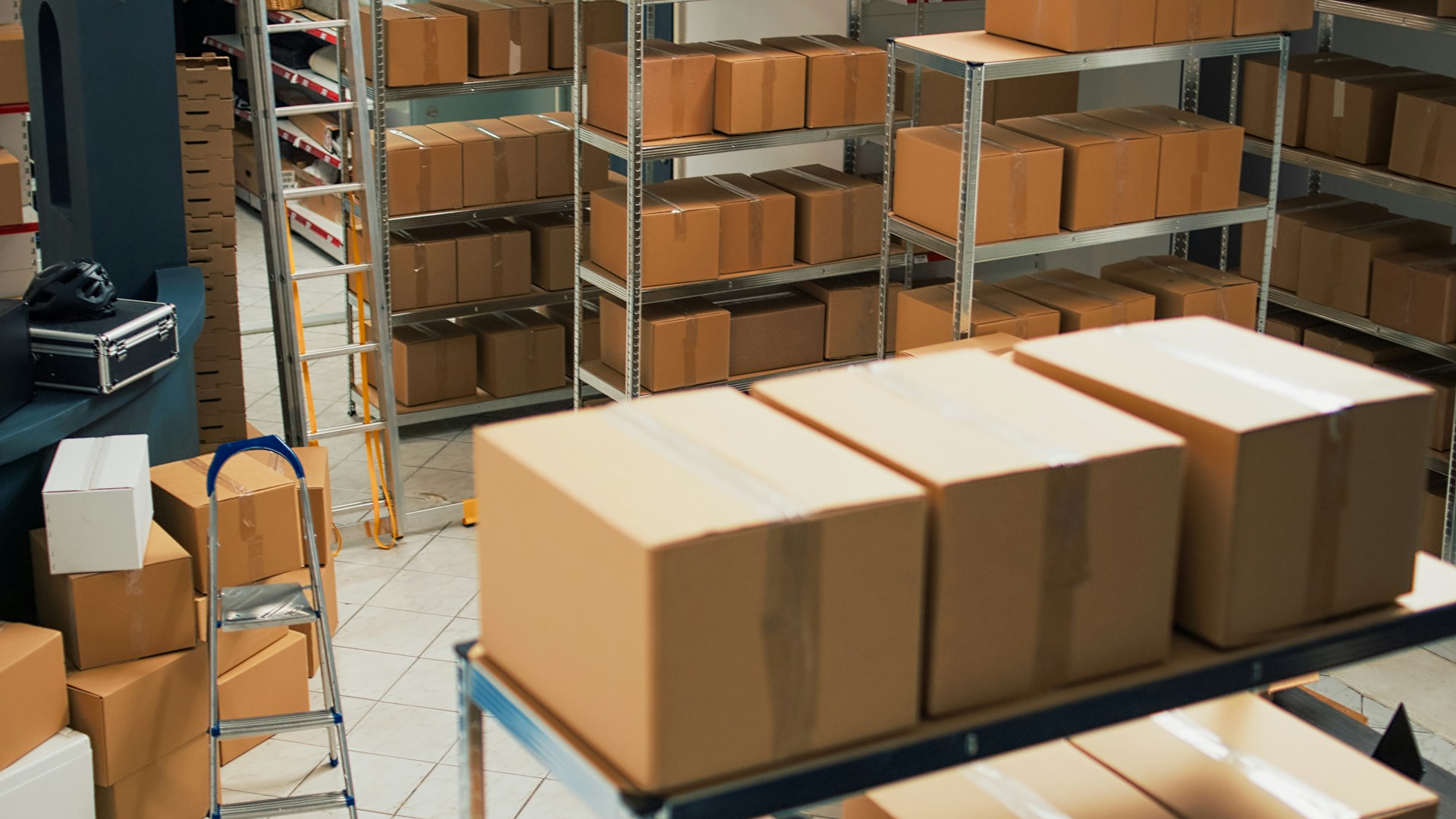
Corrugated cardboard packaging is one of the most commonly used types of packaging across industries, and for good reason. It’s lightweight, strong, and offers a level of protection well-suited for shipping, storage, and product presentation. But like anything that gets handled frequently, its reliability can wear down over time. That kind of wear isn’t always obvious right away, and waiting too long to replace it can lead to bigger problems later.
If you’re working in a setting where packaging plays a key role, like in shipping, production, or warehouse logistics, knowing exactly when to update your corrugated packaging makes a big difference. This article breaks down the signs to watch for, the risks of waiting too long, and what benefits come with making the switch at the right time.
Signs Your Corrugated Packaging Needs Replacement
Just because a corrugated box looks decent on the outside doesn’t mean it’s providing proper protection on the inside. There are specific things you can look for that let you know it’s time to consider a replacement. Ignoring these signs can put whatever’s inside at risk, especially if it travels long distances or goes through heavy handling.
Here are the most common signs that your packaging is near the end of its useful life:
– Soft or sagging corners
– Separating or peeling layers
– Torn flaps or crushed edges
– Visible water damage or mold
– Warped or misshapen structure
Handling and storage conditions also play a big part in how long a corrugated box will last. If your packages sit in damp areas or endure frequent movement from one location to another, they’re more likely to weaken faster. For example, a package stored in a humid warehouse near Rochester through late spring and summer is likely to see more warp or softening than one kept in a dry, climate-controlled space.
Even something as simple as reusing a box too many times can be an issue. Each use loosens the fibers just a little more, and over time that adds up. If you notice any of the above signs, it’s time to stop relying on visual guesses and make the call to refresh your packaging before damage happens.
The Risks of Using Damaged Corrugated Packaging
Waiting too long to swap out worn packaging can lead to more than just crushed corners. The moment structural strength goes down, the chances of damage inside go up. Whether it’s medical tools, automotive components, or defense hardware, poor packaging can leave your goods broken before they ever get to their destination.
Here’s where the real problems can hit:
– Products arrive damaged or unusable
– Customers or receiving departments file complaints
– Return shipments increase
– Time and money are wasted on repacking and restocking
– Reputations take a hit due to visible packaging problems
When your product’s survival depends on what’s holding it together, keeping old, tired packaging in circulation just isn’t worth the risk. The longer you wait, the higher the chance of something going wrong. Better to stop it early than deal with the fallout after.
Benefits of Replacing Old Corrugated Packaging
Switching to fresh corrugated cardboard boxes isn’t only about appearance. There are real performance upgrades that come with newer materials. When your packaging is up to standard, it does a better job shielding what’s inside from bumps, pressure, moisture, and shifting during transport. That kind of protection can mean fewer delays and happier recipients.
Strong, crisp boxes also send a message. If you’re shipping to partners, clients, or vendors, it shows you pay attention to detail. Nobody gets excited to open a beat-up box, even if the product inside is fine. Clean, snug packaging reflects care, and that builds trust just as much as the product inside.
Here are a few upsides of making a timely switch:
– Better structural strength for heavy or fragile shipments
– Cleaner presentation of your products upon arrival
– Fewer product returns due to shipping damage
– More efficient stacking and inventory handling
– Increased confidence for your receiving team or end client
Making the change before the packaging fails helps avoid rushed fixes, extra costs, and avoidable complaints. If your business counts on getting materials where they’re going without a scratch, then proactive replacement isn’t wasteful. It’s smart planning.
How To Choose The Right Replacement Corrugated Packaging
Not every corrugated box is made the same. Choosing what works for your operations depends on a few key details. You’ll want something durable enough to handle stacking, shifting, and maybe even forklift travel. But it should also match the size and shape of your product to cut down on movement inside.
Keep these tips in mind when searching for an upgrade:
1. Start with the weight and fragility of the item you’re shipping. Heavier or sensitive goods may need double-wall or triple-wall corrugation.
2. Match the box to the load size. Excess space means you need more filler and still risk damage. A snug fit keeps things secure using less material.
3. Think about the journey. Humidity, temperature swings, and rough handling call for water-resistant coatings or reinforced walls.
4. Consider print and labeling needs. Box style and surface type can affect how well branding or handling instructions show up.
5. Look into custom options if you’re shipping unusual shapes, or if you want each box to reinforce your brand presentation.
Going with quality over the cheapest option tends to pay off long-term, especially if you’re using large volumes or handling high-value items.
Ensuring Longevity of Your Corrugated Packaging
Once you’ve got new boxes in your hands, it helps to get more life out of them. Proper storage is where that starts. Keep boxes off the floor, away from damp areas, and sheltered from direct sun. Heat, cold, and moisture are the quickest ways to turn a tough box into a soft one.
It also helps to train staff on proper handling. Dragging boxes, overloading them, or stacking them too high can wear them out fast. If people regularly move boxes with pallet jacks or forklifts, be sure there’s space to do that without knocking corners or scraping against hard surfaces.
Another smart move is setting up a routine to flag aging inventory:
– Every few months, inspect storage goods for signs of wear
– Rotate stock to avoid old packaging being used last
– Remove weak or damaged boxes from the supply
– Keep spares handy so there’s no gap when boxes need to be replaced
By keeping a closer eye on how packaging holds up between seasons, especially through humid summers or cold Rochester winters, you’ll reduce surprises. A bit of attention now avoids last-minute changes later.
Protect What’s Inside by Staying Ahead
Corrugated cardboard boxes work hard behind the scenes, but they don’t last forever. What protected your items last year might not hold up this year, depending on handling, weather, or how it’s stored. Replacing those boxes at the right time leads to better protection, less damage, and smoother shipments from start to finish.
Don’t wait for warning signs like collapsed flaps or soggy corners. Staying ahead of the wear means fewer problems, stronger results, and peace of mind that what’s inside will arrive just how it should. Good packaging is part of a good process, and keeping it strong is worth the effort.
When it comes to safeguarding your products during transit, your choice of corrugated cardboard boxes is crucial for maintaining integrity and avoiding costly damage and delays. Orcon Industries specializes in providing durable and reliable packaging solutions designed to protect your valuable goods effectively. Don’t wait until it’s too late; ensure your shipments arrive safely by choosing high-quality corrugated packaging that speaks to your commitment to excellence and reliability.