
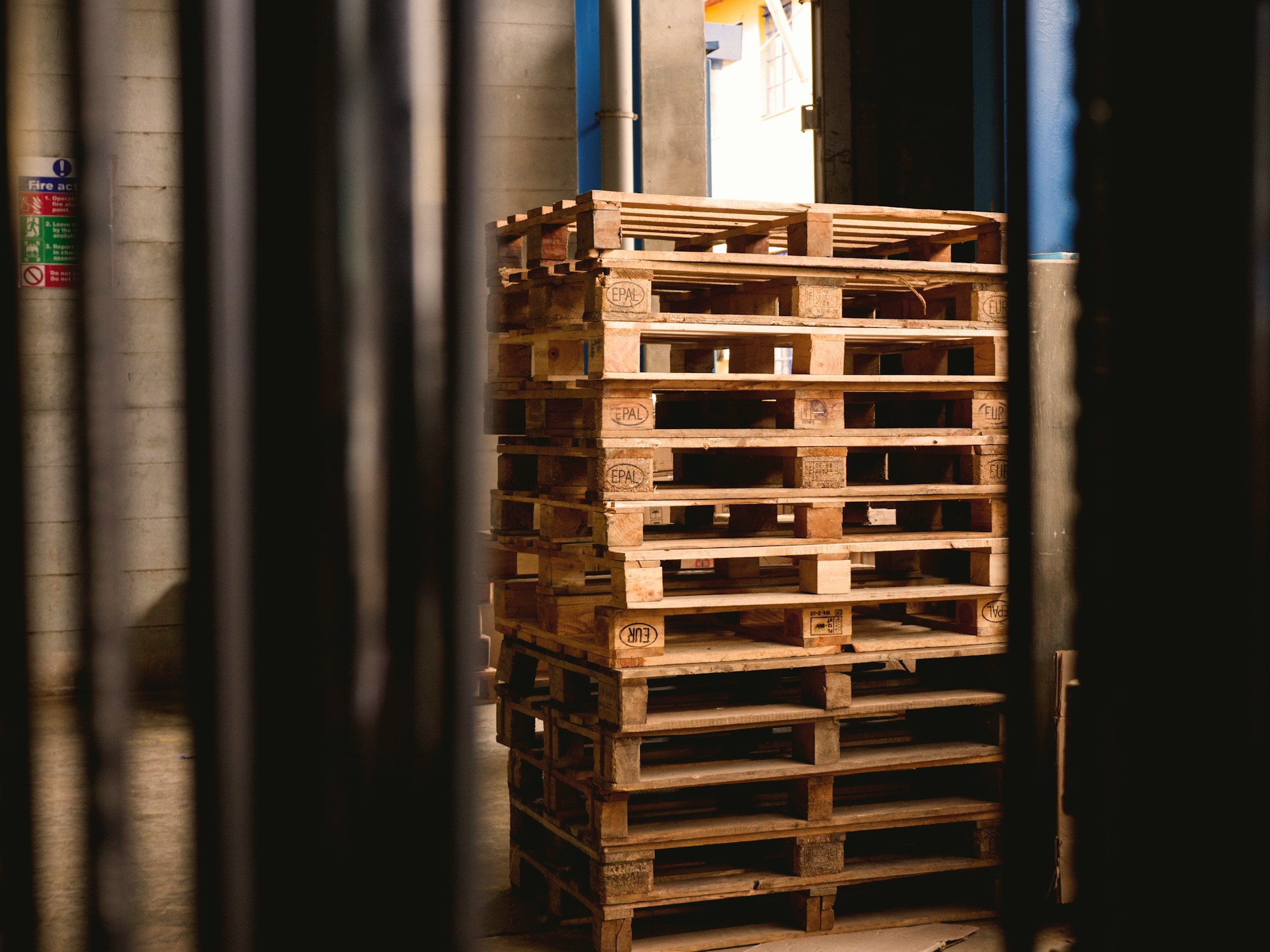
Transporting goods on pallets should make things easier, but when those pallets break along the way, it does more than just slow things down. It can mean damaged cargo, missed delivery windows, and expensive delays. When it keeps happening, it’s not just frustrating — it’s a signal that something in the process needs a closer look.
Broken pallets aren’t always a matter of bad luck. Often, the reasons are preventable. Whether it’s poor pallet selection, mishandling, or loading errors, these small missteps can snowball into bigger issues with every shipment. Winter weather in places like Rochester adds even more stress on packaging materials, which makes it worth taking a moment to figure out what’s really behind repeated pallet damage.
Common Causes Of Pallet Breakage
Not all pallets are built the same, and not everyone uses them the way they should be used. Most breakage during transport falls into a few clear categories. Knowing what these are can help stop the damage before it starts.
1. Poor Material Quality
Pallets made with weak or lightweight material are more likely to snap under pressure. If the wrong grade of wood or a low-quality build is used, the pallet may not survive one trip, let alone several. Some break at the corners. Others give out in the middle the moment they’re lifted with a load that weighs even slightly more than what they were meant to carry.
2. Inappropriate Handling
Forklift blades that gouge the side of a pallet. Workers dropping loads onto it instead of placing them carefully. Even dragging pallets across rough floors. These habits wear them down fast. The more rough contact a pallet takes, the more likely it will fail early.
3. Overloading Past the Weight Limit
Every pallet has a load capacity. It’s easy to assume it can handle whatever you stack on it, especially if the structure looks solid. But once a pallet is pushed past its limit, the materials bow or snap. In some cases, a pallet may hold up during loading, only to collapse during transit when motion adds extra pressure.
4. Bad Stacking
Stacking cartons or products unevenly shifts weight to one side of the pallet. That can lead to cracked boards or tilting that wrecks stability. Column-stacking without tying layers together creates wobble and puts stress on one strip of the pallet instead of spreading the weight.
Even doing just one of these things once or twice might not break a pallet — but repeated small issues eventually add up. One shop might see breakage as just part of the job, but when damaged pallets start to become the norm, it’s time to change methods before damaged goods become the next worry.
Importance Of Choosing A Wooden Box Pallet
When you hear about pallets breaking during transport, the material they’re made of is often a big part of the issue. A wooden box pallet stands out as a more dependable option for heavy or high-value loads. It’s built with solid sides that keep products locked in place and offer extra protection on all fronts, not just the bottom of the pallet. This added structure also helps guard contents from pressure, shifting, or rough handling.
Wood is a go-to material for logistics because of its balance between strength and flexibility. A well-built wooden box pallet can take more wear and tear than many other types. It can survive changing weather conditions and wet loading docks without falling apart right away. For companies shipping out from Rochester as the weather cools off heading into winter, that durability is key.
These pallets also reduce chances of breakage during stacking or warehousing. Since they add a layer of protection around the entire load, there’s less movement. Simple knocks from a forklift or off-center stacking won’t shift the load as easily, meaning less risk of sudden tipping or collapse during travel.
Best Practices To Prevent Pallet Breakage
Even with strong materials, how you use a pallet matters just as much as what it’s made from. Here are a few straightforward ways to keep pallets — and everything stacked on them — intact through the full shipping cycle:
– Load Evenly: Distribute weight across the whole surface instead of piling it up in one area. Avoid stacking different-size boxes in a way that teeters.
– Secure the Load: Use stretch wrap, bands, or lids that hold things together and help the pallet stay balanced on the move.
– Inspect Regularly: Look out for cracks, missing boards, or splinters before loading. Swap out damaged pallets quickly to avoid surprise failures.
– Handle With Care: Slow and steady forklift handling is always better. Watch those corners and don’t drop loads on top.
– Match Pallet Type To Use: Some jobs call for closed-box styles. Others need open-deck. Make sure your pallet matches the weight and shape of what it’s hauling.
When combined with the right pallet, like a solid wooden box design, these habits can help prevent most problems during shipping. Reducing breakage means fewer damaged goods and fewer delays getting products delivered on time.
The Advantage Of Sustainable Practices
There’s another piece to all this worth considering — how long a pallet lasts and how it gets reused. Going sustainable doesn’t just help the planet. It’s also smart for the bottom line. Wooden box pallets, especially the ones built to be reused, are a strong option for companies looking to cut down on waste without losing performance.
Wood is one of the most recyclable materials used in shipping. A wooden pallet can be repaired multiple times without losing strength. And when one does finally reach the end of its use, the parts can be broken down into mulch, fuel, or scrap. Sustainable practices like reusing or refurbishing good-quality pallets help reduce buy-once-throw-away habits.
These long-lasting wooden box pallets also take pressure off supply chains affected by rising material costs. Keeping them in rotation means not starting back at square one with every shipment. That kind of planning can help teams feel more in control over their process while sticking to better habits that aren’t wasteful.
Building Smarter Shipping Habits
When pallets keep breaking, it’s easy to focus on fixing the immediate damage — repacking goods, filing claims, making last-minute calls. But bigger improvements come from asking why it happened in the first place. Whether it’s because of poor stacking, careless handling, or simply the wrong pallet for the job, these problems can often be avoided with the right planning.
Using the right pallet, like a wooden box pallet that’s strong enough for the load, is one part of it. Keeping good habits across loading, stacking, and maintenance is the other. Both make a real difference when it comes to getting things where they need to go, safe and sound. If you’re shipping from a place like Rochester where winter can add more risk to transit, it’s worth stepping back to make sure your system is built to handle it. A few changes to the materials and methods you use might save a lot of trouble down the line.
Protect your shipments from delays and damage by choosing a wooden box pallet that’s built to last. Orcon Industries offers reliable solutions designed to withstand rough handling, heavy loads, and unpredictable weather. From Rochester and beyond, shipping gets easier when your pallet is up to the job.