
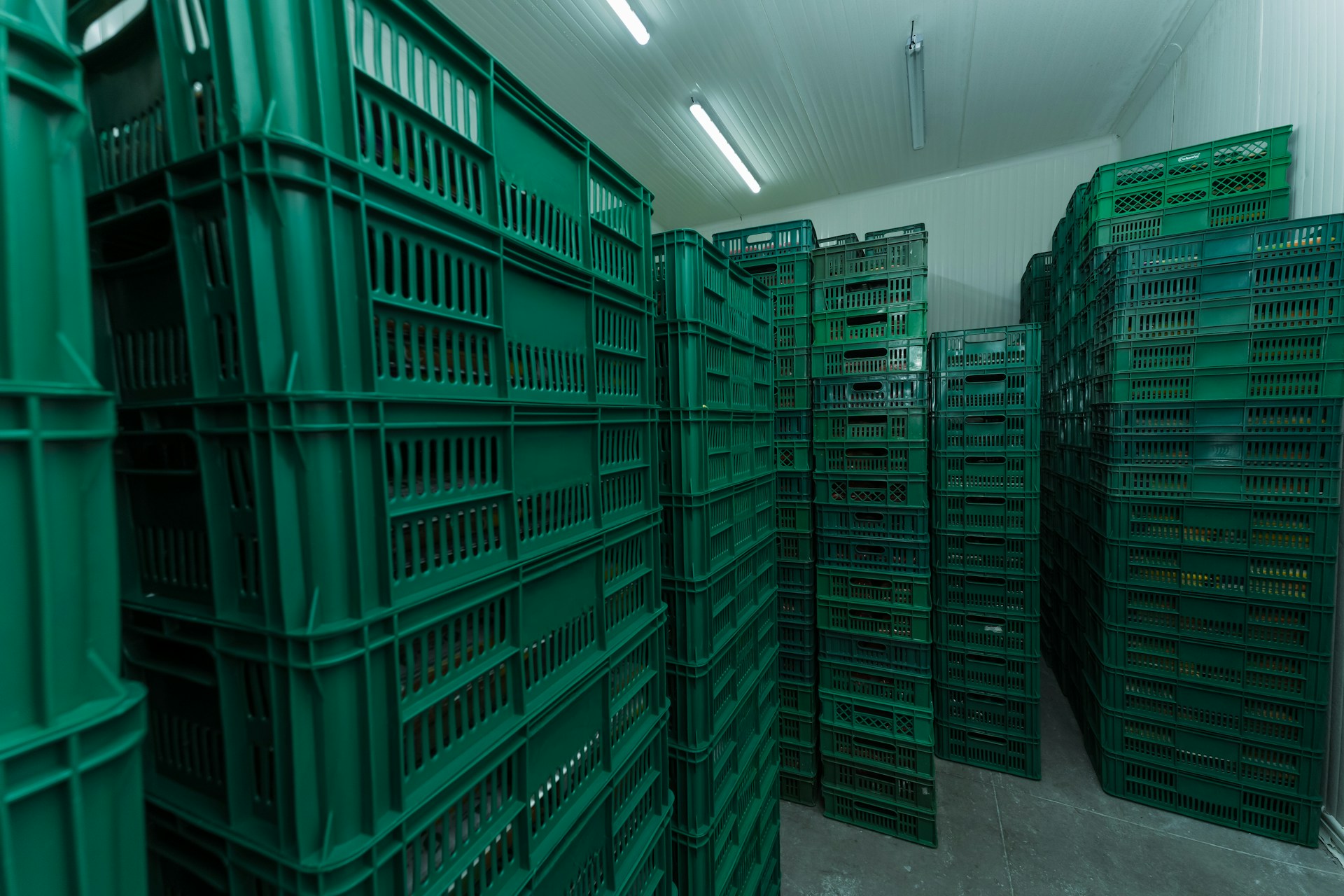
Winter in Rochester, NY, can be hard on materials, especially plastics used in packaging and storage. If you’ve ever pulled a container off the truck in freezing weather and found a fresh crack along the edge, you’re not alone. Many businesses run into problems this time of year, and one of the main reasons comes down to how different materials react to the cold.
A corrugated plastic container looks tough enough at a glance, but the drop in temperatures has a bigger effect than most expect. When exposed to freezing air, plastic can become brittle, even fragile in spots. That sharp shift in behavior leads to cracked corners, split lids, and broken handles, right when you need stuff to stay secure. So why does this happen, and what can we do about it? Let’s break it down.
What Happens to Plastic in Cold Temps
Cold weather changes the way plastic behaves. In warm conditions, it has some bounce and flex, which helps it hold up to bumps, stacking, and shifting. Once the temperature starts to fall, that flexibility fades.
• Plastic becomes more rigid and loses its elasticity, making it more prone to breaking under pressure.
• Some types of plastic are more cold-sensitive than others, especially blends meant for lightweight or cost-efficient use.
• Regular stress from lifting, dropping, or stacking can create cracks or chips that were never an issue during warmer months.
That brittleness shows up fast once plastic hits freezing numbers. Whether it’s from leaving containers outside overnight or pulling them from a cold trailer, fast exposure makes them crack easier, even without a direct hit.
Weak Points That Crack First
Not every part of a container reacts the same when the temperature drops. Over time, we’ve noticed some areas fail more often than others.
• Corners take the most damage. They’re where pressure builds up during stacking and movement. In cold temps, those spots give out first.
• Fluted walls can start to split if the outer layer bends too far or if something inside the container pushes too hard against it.
• Built-in handles and lid edges are under constant force from opening, closing, or carrying. Cold makes them stiff, so they break with less effort.
A lot of these breaks happen during regular use. It doesn’t take much, just a small impact or a shift in the load to send a crack down the side.
Situations That Make Winter Cracking Worse
Some storage and transport setups add more risk, especially in cities like Rochester, NY, where winters are long and unrelenting. These conditions put stress on any container, but especially ones made of rigid plastic.
• Shipping containers in the back of an open truck allows cold air to hit with full force. Without insulation, the plastic tightens up fast.
• Outdoor storage, whether on loading docks or in sheds, means plastic stays cold around the clock. Freeze-thaw cycles weaken it even more.
• Bringing a freezing container straight into a warm warehouse or building leads to thermal shock, which can push material past its breaking point.
Fast shifts between cold and warm environments are tough on plastic. That sudden change doesn’t give the container time to adjust, and small cracks can grow wider almost instantly.
How to Reduce Risk During Cold Storage or Transport
There’s not much we can do about the weather, but there are practical steps that help cut down on cold-related damage.
• Let containers sit for a bit as they transition from freezing to indoor temperatures. It’s not about warming them up fast; it’s about letting the plastic adjust slowly.
• Use soft padding or liners inside the container to ease pressure from contents that shift during movement. This helps reduce stress on the walls and base.
• Don’t stack too high or pile heavy loads on top of already cold containers. The weight creates pressure points that easily lead to cracking.
These simple practices go a long way when freezing temps stick around for weeks. A little patience and care can prevent problems before they get costly.
Why Material Choice and Design Features Matter
Not every corrugated plastic container is built the same. That really shows when winter shows up early or stays longer than expected.
• Thinner plastic grades tend to harden faster and crack more often than heavier ones. Choosing the right thickness helps during busy cold-season operations.
• Containers with reinforced corners, thick bases, and added support in weak spots tend to last longer in winter use.
• Features like drainage holes or grip patterns on the bottom help when moving around areas with snow, water, or slick floors.
When thinking about containers that can hold up through the winter, small design choices can make the biggest difference.
Building Long-Term Strength Against Cold
Cracks don’t always show up right away. During the winter, they build over time, and if we’re not paying attention, they surprise us when it matters most. Quick fixes are easy to rely on, but they don’t stop containers from breaking down the next time temperatures drop.
Knowing the weak spots and watching how we store, load, and move containers helps us stretch their use. Even better, thinking ahead when picking materials or planning storage routines keeps us one step ahead of damage.
It may not stop the snow from falling in Rochester, NY, but it does help us avoid delays when we need to keep things moving.
Ready for Rochester, NY Winters
When cold storage or winter handling is part of your regular workflow, having the right tools in place can make all the difference. Orcon Industries manufactures custom corrugated plastic containers that are designed for durability and can be tailored to fit specialized products, including those in the medical and industrial sectors. Each container can include specialty inserts or custom printing, helping you keep parts organized and protected in changing temperatures.
A properly built corrugated plastic container holds up longer and helps prevent small failures from turning into larger disruptions. Planning ahead for the season in Rochester, NY, or searching for a better fit for your storage needs? We’re here to help, contact us today.