
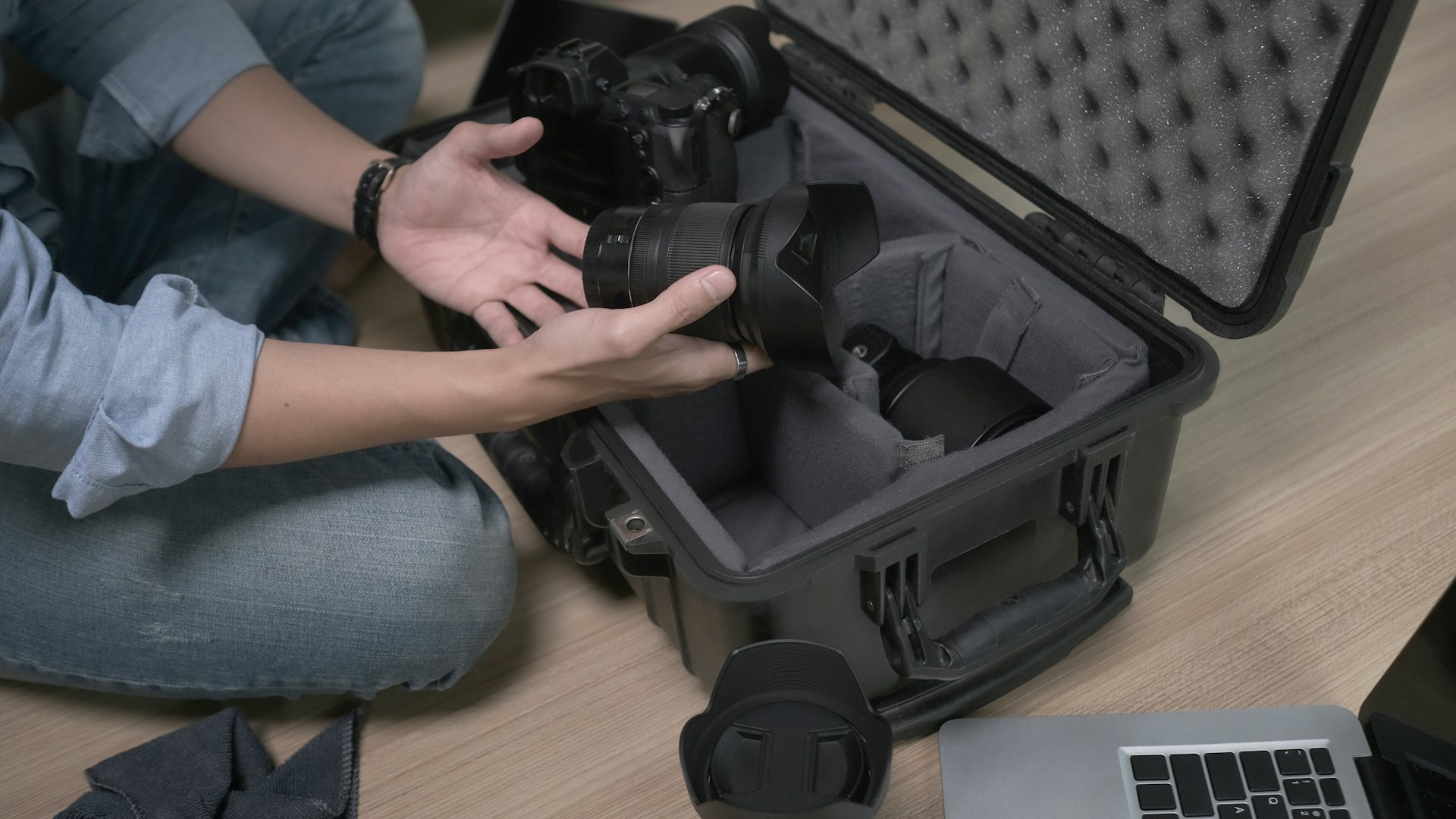
Military-grade cases are built to handle a lot. They’re tough, secure, and designed to protect valuable gear no matter what the situation throws at them. But just because they’re built strong doesn’t mean they should be ignored. Like any tool that gets used often, they need regular attention to keep doing their job the right way.
Whether hauling electronics across the country or storing sensitive equipment in unpredictable environments, these cases work hard. Without routine checkups, even the best-built cases can lose their protective edge. A loose seal, a rusty latch, or a cracked corner might seem small but can lead to damage that costs time and money. Regular maintenance isn’t just good practice. It’s smart planning.
Why Regular Maintenance Is Necessary
Military-grade cases can take a beating. They’re meant to protect equipment from drops, shakes, moisture, and dirt, but they can start to show signs of stress over time. This kind of wear may not be obvious at first, which is exactly why routine inspections matter. Just because a case looks fine on the outside doesn’t mean everything is working the way it should.
Factors that make maintenance a must include:
– Frequent use: Regular transport or daily handling can lead to gradual wear. Latches may loosen, hinges may weaken, or handles could show strain.
– Rough environments: Dust, temperature swings, and moisture can break down seals and corrosion protection faster than expected.
– Storage conditions: Cases that sit in damp or extreme-temperature environments, like a warehouse during a snowy Rochester winter, are more prone to rust or warping.
– Aging materials: Over time, even the strongest rubber or plastic can harden, crack, or become brittle. This can compromise the seal or reduce the shock-absorbing ability of the case.
Missing any of these early warning signs could cause damage to the contents inside. A dented lid might not close all the way, leaving gear exposed to dirt or water. A latch no longer locking tightly could pop open during transport. The point is simple. Regular maintenance helps avoid preventable problems before they become expensive ones.
Even if you’re not using the cases every day, letting them sit too long without a once-over is risky. Just like snow tires need to be checked between seasons, storage cases should be looked at between uses, especially if they’ve been exposed to winter weather or stored in less-than-ideal conditions.
Key Maintenance Checks for Military Grade Cases
To keep your cases ready when needed, a handful of basic checks can go a long way. These don’t take much time, but they make a big difference in keeping your gear protected.
1. Physical damage check: Look carefully at the outside of the case. Any cracks, deep scratches, or broken parts should be flagged. Even if they don’t look serious, they can weaken the case’s structure.
2. Rust and corrosion: Metal parts like hinges, screws, and latches are prime spots for rust, especially after exposure to moisture. Check for discoloration or flaky residue. Catching rust early helps prevent it from spreading.
3. Seal inspection: Open the case and look at the inner rubber seal. This piece is key in keeping out water and dust. If it’s cracked, dry, or coming apart, that’s a sign it needs to be repaired or replaced.
4. Hardware test: Handles, latches, and belts should feel tight and sturdy. Try opening and closing them a few times. Loose or squeaky parts often suggest wear that could lead to failure under stress.
One example of missed maintenance involved a client who stored their sensitive communications gear in a case that hadn’t been opened all winter. When they finally used it in early January, they found moisture inside due to a cracked seal, destroying cables and connectors that were meant to be protected. Something like that could’ve easily been prevented with a five-minute check.
These checks don’t need to happen every day, but building them into a monthly routine or after every outing is a smart habit. Catching small issues early can save time, money, and frustration.
Best Practices For Maintenance
Keeping military-grade cases in working shape isn’t hard, but it does take consistency. A regular maintenance schedule will make these cases more reliable. For teams using their cases often, checking components every month is a good habit. For those storing gear for longer stretches, doing a check after each use or at seasonal intervals is enough to catch problems before they escalate.
When cleaning the cases, use warm water and mild soap to wipe down the exterior. Avoid harsh chemicals, since they can eat at rubber seals or affect plastic. If the case has been in a workshop or vehicle, giving it a quick rubdown afterward helps avoid buildup from oil, grime, or metal shavings. Dry everything completely before sealing the case again to stop moisture from sitting inside.
Storage makes a big difference too. If the case isn’t being used for a while, store it off the ground on a shelf. Avoid areas where the temperature shifts a lot between day and night, like near loading dock doors or in poorly insulated areas. Cold Rochester winters can be tough on mixed metal and plastic casings, especially when expansion and contraction from temperature swings start to loosen hardware or weaken seals.
Helpful reminders for smarter care:
– Don’t overload the case. Extra weight wears parts down faster.
– Open the case now and then to let air flow through when storing long-term.
– Keep labels and markings clean and visible to make gear easier to find.
– Fix or replace damaged seals, hinges, or latches as soon as you notice them.
Stay ahead with small check-ins. They add up to big savings later.
Why A Wooden Package Can Support Long-Term Storage
When military-grade cases aren’t out in the field, how they’re stored matters just as much as what’s inside. That’s where a wooden package can make a real difference. It provides an added layer of defense, especially for equipment that won’t be used for months at a time or that’s being shipped into unpredictable settings.
Wood offers a strong barrier against impacts from forklifts, shifting pallets, or stacked inventory. If something bumps the storage area or another load scrapes past, the wooden frame helps absorb the blow. This extra layer cuts down on the risk of surface damage and helps the case inside maintain its structure. Around Rochester, temperature regulation in warehouses can be a challenge. A wooden outer box creates a buffer that keeps internal temperature changes more gradual and less damaging to the case.
Some wooden packaging setups are designed to go even further and can include interior rigging, vent systems, and foam inserts to limit movement. Others can be customized to stack efficiently when storing multiple cases or archiving tech for future use. These features make wooden crates a helpful tool—not just a box.
If machinery or sensitive gear is valuable, a drop or a crack in storage isn’t worth the risk. Using custom wooden crates gives you peace of mind that equipment will still be in good condition when you pull it from the shelf. That layer of shielding helps extend the life of both the case and what’s inside it.
Keep Your Military Grade Cases In Top Shape
Military-grade cases do more than move gear from point A to point B. They protect tools, electronics, hardware, and even life-saving equipment in high-pressure and unpredictable settings. If these cases fail, so does the security of what’s inside.
That’s why regular maintenance, even small checks, is worth the time. A latch that holds strong or a seal that blocks moisture could be the only thing standing between working equipment and costly replacements. Ignoring routine upkeep leads to risk. But keeping a solid plan in place keeps your cases working hard when you need them most.
Whether you’re sending your cases back out or keeping them tucked away in a Rochester warehouse during the cold season, it pays to treat them with care. Combine routine checks with thoughtful storage, and your gear will be ready to go when the next job calls.
Are you ready to protect your equipment for the long haul? Discover how a wooden package can offer an added layer of security and safeguard your military-grade cases even during extended storage. Orcon Industries provides custom solutions that help your cases stay reliable through every season and situation.