
Shipping equipment during a New York winter is no easy job. Snow, low temperatures, and road salt all play a role in how we protect cargo during transport. If you’ve moved gear through Rochester, NY, or similar climates, you already know how fast conditions can change and how rough hauling gets when roads freeze. Choosing how to pack and protect heavy goods during this time of year needs just as much thought as the route itself.
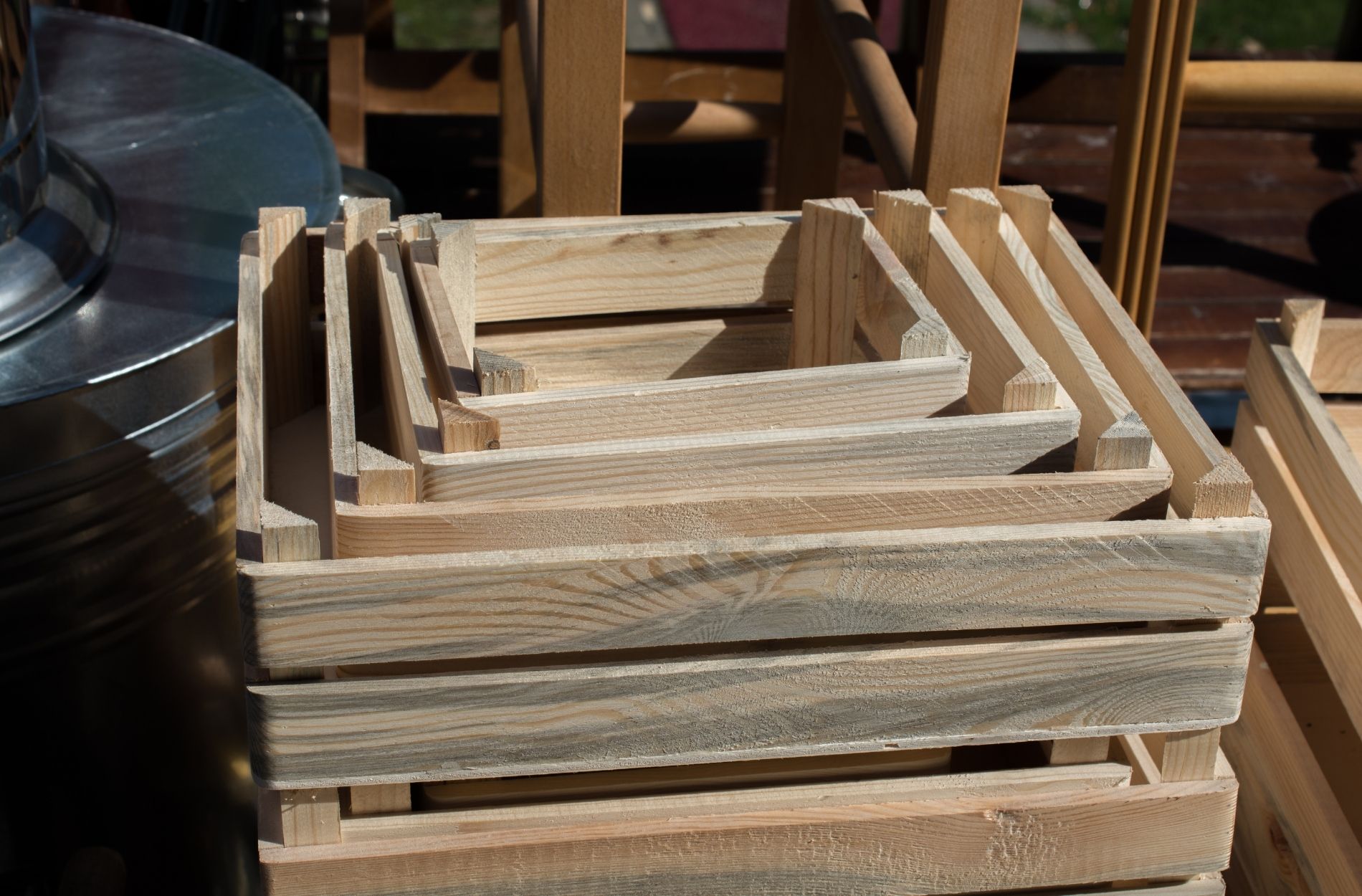
A wood shipping crate is one of the most dependable ways to guard equipment in winter. It’s strong, steady, and can stand up to the wear that comes with loading, hauling, and waiting in the cold. When built right, it blocks moisture, holds its shape, and offers a cushion against bumps and drops. Below, we break down why wood works so well and what should go into crate design when winter’s in full swing.
Why Winter Equipment Shipping Needs Special Attention
When temperatures dip, so does the reliability of many materials. Rough roads, snowbanks, and heavy loading processes amplify this. It’s not just about getting equipment from one place to another; it’s about preventing small problems from turning into costly delays.
• Cold can make plastics brittle and cause delicate parts to snap or shift from expected positions.
• Ice and road salt may corrode electronics, metal frames, and coated surfaces.
• Moisture that seeps into packaging can freeze, then expand, leading to cracking or swelling.
Shipping during this season means we have to think differently about shock absorption, water exposure, and storage times in open-air environments. If we are not planning for these details, damage is more than possible; it’s likely.
How Wood Crates Handle Rough Winter Shipping Conditions
A wood crate works well in the kind of cold, damp conditions that can cause lighter materials to fail. For heavy equipment, odd shapes, or large volumes, wood brings a level of protection soft materials just cannot offer.
• Wood has a natural stiffness that holds strong even in freezing temps, which helps reduce flex and keeps structural integrity intact.
• Properly built crates include liners or vapor barriers that keep internal items away from outside moisture.
• Unlike cardboard or thin plastics, the construction of a wooden crate resists crushing forces that might come from stacking, accidental bumps, or loading shifts.
It’s also easier to build in extra support inside wood containers. You do not have to overspend to adjust it for long hauls through snowy terrain. And in areas like Rochester, where weather changes quickly, that built-in resilience matters.
Custom Features That Improve Performance in Cold Months
Wooden crates can be made to match the shape and handling needs of whatever they are carrying. When it’s cold outside, a few added touches can make a big difference in how well things stay protected.
• Lids with lockable clamps or tension fittings help keep moisture, debris, and road splash out.
• Forklift runners or skid plates help us move crates safely on slick or frozen surfaces without sudden shifts in balance.
• Inside the crate, foam blocks or fitted dividers stop movement during sharp turns and braking on icy roads.
The idea is to limit all contact that could lead to corrosion, impact, or moisture retention. Cold months demand more secure closures and stronger lifting systems. Not all crates need these extras, but for sensitive machinery or high-stakes shipments, they can really pay off.
Packing Tips to Maximize Safety Inside the Crate
Even a well-built crate will not perform well if the packing inside is not done right. A few best practices go a long way, especially during the coldest parts of January and February.
• Wrap exposed metal with coated paper or slip sheets to minimize condensation when moving between warm and cold spaces.
• Fill unused crate space with dry packaging filler like foam or thermal blankets to prevent items from shifting.
• Clearly mark crate sides with arrows or “This Side Up” labels to make loading and unloading easier in frosty conditions.
A little planning when sealing the crate can stop most challenges before they happen. That includes thinking about where the box will sit, how long it is stored outside, and whether there is time for it to thaw before unpacking.
When to Use a Wood Crate Versus Other Materials
Not every job calls for wood, but for certain kinds of loads and routes, it is the best choice. Thinking through shipment size, distance, and expected stress points helps figure out what works.
• Wood crates offer strong outer protection for bulky, odd-shaped, or fragile equipment that might otherwise shift in transit.
• In outdoor loading zones or cross-country shipping that includes stops in freezing climates, wood stands up better than lighter materials.
• Compared to cardboard or composite packaging, wood provides predictable reliability and better structural strength in subzero weather.
Wood packaging designs from Orcon Industries are always built with the unique specifications of the shipment in mind. The company offers custom wooden crate engineering options that include blocking, bracing, and protective coatings to keep products safer on long hauls, as noted on their industrial crating service page. Additionally, Orcon’s crates are available with reusable designs, making them both a practical and sustainable choice for repeated winter use.
If movement is limited to indoor or short-haul routes under temperature control, some materials might work fine. But when something is headed through snow-covered roads, wood gives better peace of mind.
Reliable Crating Solutions for Challenging Winter Routes
Cold weather brings a lot more to think about during shipping. From Rochester, NY, to anywhere facing heavy snow and freezing rain, transporting gear safely means starting with the right container. A wood shipping crate holds strong, protects against outside damage, and can be adjusted for whatever the item needs.
When the roads are icy and the air is sharp, we want equipment that is packed to hold steady. With smart construction and careful packing, wood crates offer the level of safety winter demands. Planning now helps avoid surprise delays, shipment rework, or damaged goods when time and weather are working against you.
Shipping equipment through Rochester, NY, or planning for another challenging winter route calls for a solid foundation. With a properly built wood shipping crate, you can minimize issues from bumps, shifts, and moisture during cold-weather transport. At Orcon Industries, we rely on decades of experience designing crates that protect your equipment from harsh conditions. Reach out to us to get a crate built for where your equipment is headed.